
The COVID-19 vaccination programme has been extended to children aged 5 to 11 years old from 21 January, and the minimum age for Sinovac vaccine jabs for children has been lowered to 3 years old from 15 February. Chief Executive Carrie Lam said that as of 7 April, only a little over 60% of children aged 3 to 11 had received their first jab. She urged parents to arrange vaccinations for their young children as soon as possible to reduce the risk of severe illness or even death if infected, enabling them to participate in various learning activities upon returning to school. What factors can parents consider for their children to receive vaccinations for these two vaccines? What reactions might children experience after being administered Sinovac and Comirnaty vaccines?
| Sinovac | BioNTech | |
| Age | Children and young people aged 3 and over | Children and young people aged 5 to 17 |
| Second injection | 28-day interval | 56-day interval |
| Protection rate | >60% | >80% |
| Side effects | Common side effects: pain or swelling at the injection site, fever, loss of appetite, nausea, headache, cough, tiredness, runny nose and sore throat | Common side effects: pain or swelling at the injection site, fever, fatigue, headache, muscle pain, chills, joint pain, vomiting, and diarrhoea. |
| Uncommon side effects: itching and redness at the injection site, allergic reactions, diarrhoea, vomiting, muscle pain, sore throat, pharyngeal erythema, upper respiratory tract infection, abdominal pain, epigastric pain, abdominal distension, dizziness, lymphadenitis, chest discomfort, and blepharitis | Uncommon side effects: itchy injection site, allergic reaction, arm pain, insomnia, feeling weak or tired, decreased appetite, swollen lymph nodes, excessive sweating | |
| Myocarditis and pericarditis are known adverse reactions to the Comirnaty vaccine, mainly occurring in adolescents after their second dose. Adolescents and young people should avoid strenuous exercise for one week after receiving the Comirnaty vaccine. If signs of shortness of breath, palpitations or chest pain appear after receiving the Comirnaty vaccine, please seek medical attention immediately. |
Source:COVID-19 Vaccination Programme )
Considerations for getting the COVID-19 vaccine
Two main considerations
Paediatric specialist Dr. Chan Yick-Chun stated that parents should consider the safety of the vaccine, as well as whether their family is at high risk of contracting COVID-19, when deciding if/when to vaccinate their children.
Citing research from the government's vaccine advisory expert committee, the Sinovac vaccine has shown good safety in children and adolescents aged 3 to 17. Data from the first and second phases of clinical studies indicate that the Sinovac vaccine generates good immunity and tolerability in this age group. Furthermore, ongoing third-phase clinical studies show that the Sinovac vaccine is well-tolerated in this age group. Based on data from large-scale vaccination programmes, the Sinovac vaccine has no significant safety concerns.
Although there have been very rare cases of myocarditis (inflammation of the heart muscle) and pericarditis (inflammation of the outer lining surrounding the heart) in adolescents aged 12-17 after receiving the Pfizer-BioNTech vaccine, domestic and international studies indicate that these are extremely uncommon.

With regard to family circumstances, those attending school, travelling abroad, suffering from chronic illness, or whose family members work in or have contact with high-risk areas, such as air crew, are considered high-risk individuals. According to the latest statement from the Hong Kong Paediatric Society, children and adolescents under 18 are a high-risk group for contracting the novel coronavirus. Should the latest Omicron variant spread among them, it will inevitably have adverse effects on their physical and mental development, therefore the benefits of vaccination outweigh its risks.
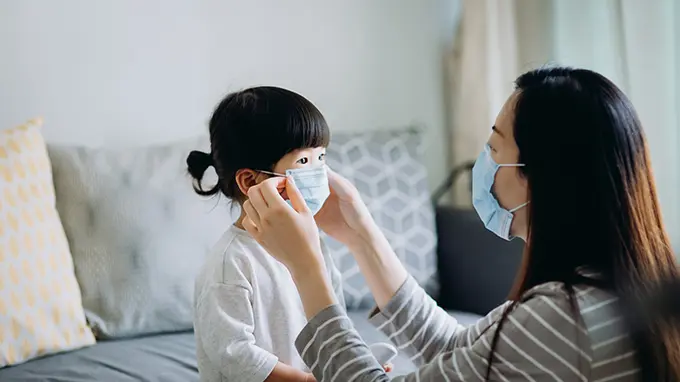
Children should not be vaccinated in the following situations:
Children who are unwell, such as with a fever or cold, should wait two weeks after full recovery before vaccination. Children who have previously experienced a severe allergic reaction to a vaccine (such as anaphylaxis, angioedema, or difficulty breathing) or have a serious nervous system disease (such as transverse myelitis, Guillain-Barré syndrome, or demyelinating diseases) should not be vaccinated. If you have any concerns, please seek advice from a paediatrician.
Avoid strenuous exercise after vaccination.
After vaccination, it is recommended to avoid strenuous exercise for a week, and to maintain adequate hydration and rest.

Get enough rest
Vaccinations, including the flu jab, must be administered at least 14 days apart.
Dr. Chan advised that there should be a minimum interval of 14 days between receiving the Sinovac and BioNTech vaccines and any other vaccines.
If you have received the Japanese encephalitis live vaccine or immunoglobulin (such as for Kawasaki disease), you should wait at least one month before receiving the Kexing vaccine to avoid affecting the immune response.
Written by: Tsang Lok Yiu
Acknowledgements: Mr. Chan Yick-chun, Paediatric Specialist
Media Link: https://www.ohpama.com/699968/%E7%94%9F%E6%B4%BB%E5%81%A5%E5%BA%B7/%E5%81%A5%E5%BA%B7%E7%99%BE%E7%A7%91/%e5%be%a9%e5%bf%85%e6%b3%b0-%e7%a7%91%e8%88%88-%e6%96%b0%e5%86%a0%e7%96%ab%e8%8b%97/