

Factors affecting normal growth and development
Human growth and development is an extremely complex process. Factors influencing normal growth and development include:
Maternal nutrition, endocrine function, and disease are closely related to embryonic and fetal growth and development.
2. Whether daily diet and nutritional intake are appropriate;
A good family environment guarantees normal growth and development; long-term emotional suppression can lead to developmental disorders.
Cells that cannot be regulated by hormones or growth factors to proliferate and differentiate will also lead to abnormal growth and development.
Paediatric Endocrinology and Growth Assessment
Paediatric Endocrinology and Growth Assessment
Doctors assess the level and speed of growth and development, as well as the relationship between various growth and development indicators, for babies of different age groups using professional methods. This helps to understand their developmental status and trends. It is used for the diagnosis of children's growth and development disorders, assessment of nutritional status, and for providing health advice and recommendations.
Some parents assume their children will naturally grow taller during puberty and overlook the issue of stunted growth, thereby missing the optimal window for treatment. Once the growth plates have closed, they will no longer grow taller, making treatment before puberty even more effective.
Assessment process
- The doctor will first inquire about the child's family history and the developmental situation of the foetus before and after birth.
- Measuring a child's height, weight, head circumference, and limb proportions helps doctors assess the cause.
- If there is any doubt, further checks will be arranged, such as:
- Blood test
- Genetic testing
- Growth hormone stimulation test
- Brain scan
- X-ray bone age
- Pelvic ultrasound
- Before using medication, doctors will conduct a detailed assessment of the child before deciding whether medication is appropriate (e.g., growth hormone therapy).
Growth Hormone can help with bone and muscle development. Medically, it can be used to treat various causes of short stature: growth hormone deficiency, chronic kidney failure, conditions such as Turner syndrome, Prader-Willi syndrome, SHOX gene deficiency, idiopathic short stature, and children who are shorter than expected for their gestational age.
Services

Childhood short stature and growth hormone therapy
Early or late puberty
Thyroid dysfunction (e.g. hyperthyroidism)
Congenital hypothyroidism
Children's bone age assessment
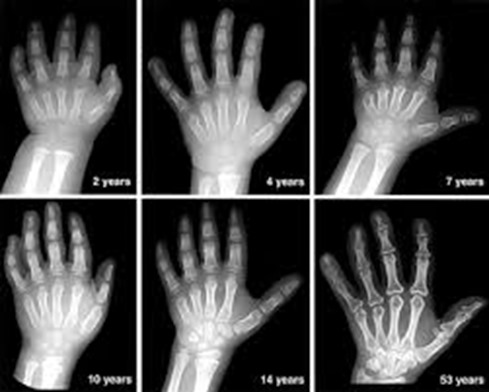
Bone Age) It is an important indicator for assessing the skeletal maturity of children and adolescents. By examining bone age, it is possible to more clearly determine a child's growth status and assist in predicting final height and developmental potential.
Why is bone age measured?
Assessment of growth status: Confirm whether skeletal maturity is consistent with chronological age.
Bone age assessment is an important basis for evaluating the following diseases:
- Short stature or abnormally tall
- Stunted growth
- Precocious puberty
- Late bloomer
- Growth hormone deficiency
Methods for bone age assessment
The most common way is Hand XLight check(usually the left hand and wrist), because the small bones in the hand are numerous and their ossification sequence is clear.
Inspection process
- Quick and easy: a hand X-ray is all that's needed.
- Painless and safe: The examination process is comfortable and child-friendly.
- Treatment effect
Bone age assessment is an important tool for assessing growth and development in paediatrics, helping doctors and parents gain a more comprehensive understanding of a child's growth status. If you have concerns about your child's height or development, you can discuss with your doctor whether a bone age examination is necessary.

1.) Childhood Short Stature and Growth Hormone Therapy
Height and weight have always been important indicators of a child's healthy growth. Consequently, parents occasionally consult doctors about their children's height, asking: "Is my child very small for their age?", "They don't seem to have grown taller this past year!", "Can you give my child a growth spurt injection? Can they receive growth hormone therapy?"
Children's growth rates vary at different ages:
• Birth to 1 year: The period of fastest growth, with an increase in height of approximately 20 cm.
• Between 1 and 2 years of age: can grow 10 to 12 cm
• After the age of 2: Children's growth rate gradually slows down
• Between the ages of 4 and 10: Growth gradually stabilises, with an average increase of 4 to 6 centimetres per year.
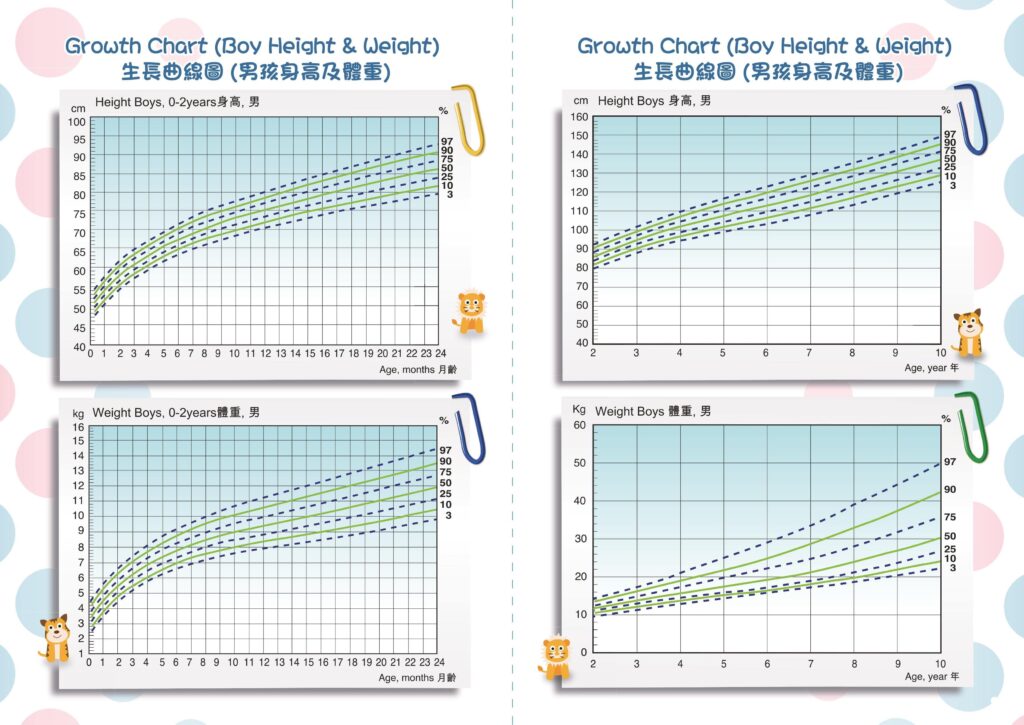
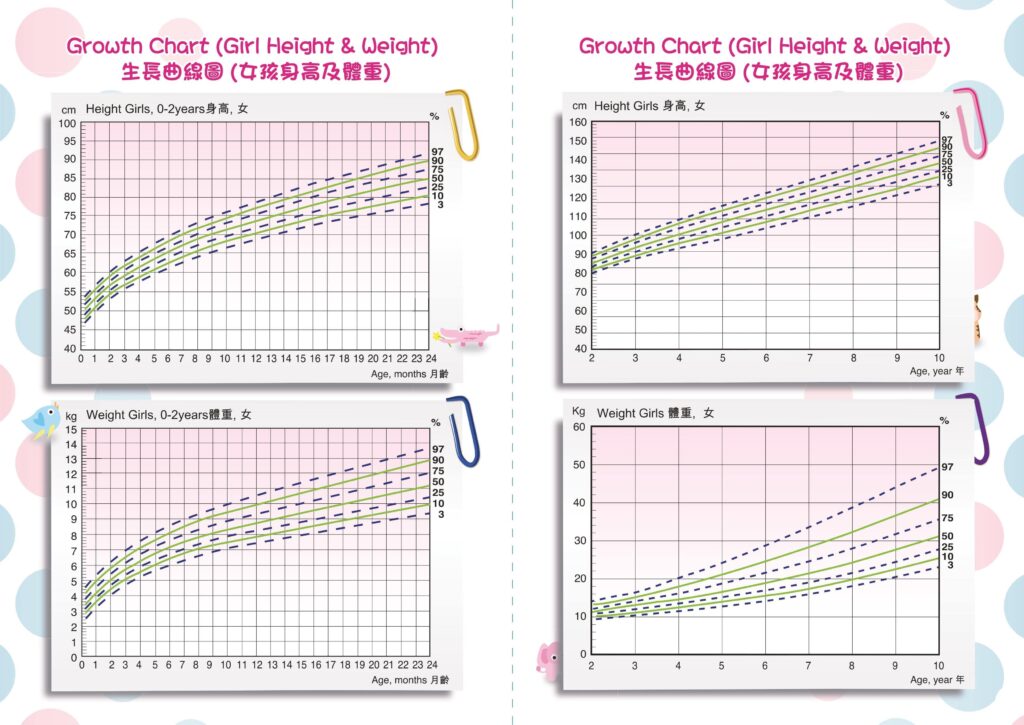
A child's target height can be roughly estimated from their parents' height. If the target height is at the 50th percentile, but the current height is at the 3rd percentile, the growth curve significantly deviates from expectations. This situation may not be related to genetic height and requires further investigation.
Factors affecting a child's physical growth.

For children to have a healthy physique, in addition to balanced nutrition, appropriate exercise, and sufficient rest, a child's height is also influenced by parental genetic factors, the endocrine system, early/late development, lack of exercise and nutrition, and chronic diseases, among others. Thyroid hormone and growth hormone play important roles in a child's height growth before entering puberty.
Common causes of short stature in children include:
- Precocious puberty
- Growth hormone deficiency
- Born small for gestational age
- Turner syndrome
- Idiopathic short stature
Reasons for short stature can be divided into non-pathological or pathological:
- Non-pathological reasonsGenetic factors, slower individual maturation, developmental delay, and idiopathic short stature. Non-pathological dwarfism generally does not require treatment, but doctors will advise parents that proper diet, exercise, and rest can affect a child's developmental potential. In 2003, the United States Food and Drug Administration (FDA) approved the use of growth hormone for idiopathic short stature, which includes developmental delay and familial short stature. Whether treatment is necessary depends on individual cases, parental wishes, and other factors.
- Pathological causesThere are several potential causes, including low birth weight, malnutrition, chronic conditions such as chronic kidney disease, Turner syndrome, genetic or chromosomal abnormalities, and endocrine disorders like hypothyroidism or growth hormone deficiency. If any pathological cause is identified, early treatment should be sought to minimise the impact of the condition on development.
In addition, some children and parents are particularly concerned about height, which can have psychological implications and is also worthy of attention.
What is Small for Gestational Age (SGA)?
Although born at full term, if a child is less than 45 cm tall or weighs less than 2.5 kg, and fails to catch up to normal growth rates before the age of two, their adult height may be at or below the 3rd percentile on the growth chart. Currently, approximately 7% of children in Hong Kong are born with low birth weight, of whom 10-15% remain at or below the 3rd percentile on the growth chart for height before the age of two.
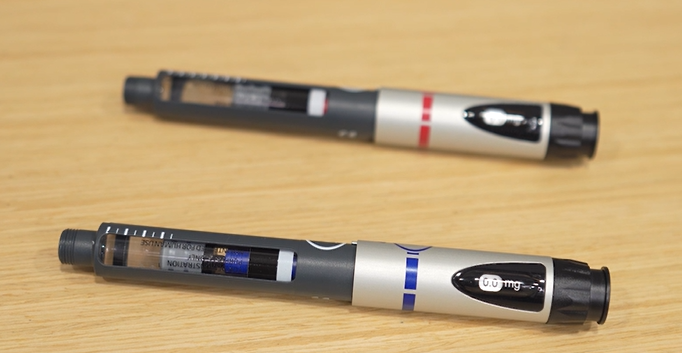
Growth hormone aids the development of bones and muscles. Growth hormone deficiency is a growth disorder caused by abnormal function of the pituitary gland in secreting growth hormone, or by receptor defects and abnormal structures.
| The gender more often affected | The age at which it usually occurs | Cause/Symptoms | |
| Primary | Boys for sale | No abnormalities at birth, condition became increasingly apparent between two and three years old. | Significantly smaller in stature than their actual age, although body proportions and intellectual development are normal, as they age, patients often experience hypoplasia of the sexual organs and a lack of development of secondary sexual characteristics. |
| Secondary | Not necessarily | Can occur at any stage of growth | Growth hormone deficiency can occur due to factors such as pituitary or other brain tumours, infections, head trauma, or radiation damage. In addition to the symptoms of growth hormone deficiency, the symptoms of the primary condition will also be present. |
Growth hormone
Growth hormone injections (somatropin) can be used medically to treat dwarfism caused by various factors:
- Growth hormone deficiency
- Chronic kidney failure
- Syndromes such as Turner's Syndrome
- Prader-Willi syndrome
- SHOX gene deficiency
- Idiopathic short stature
- A child who is small for their gestational age and is shorter.
If short stature is caused by precocious puberty, doctors will try to identify the cause of premature development and treat it accordingly. In some cases, medication may be considered to temporarily halt development, allowing bones to continue growing normally.
It's important to note that a child's growth is not an overnight process. Growth hormone injections do not produce significant results within a few weeks; instead, they require daily subcutaneous injections of growth hormone over several years. If the patient is naturally deficient in growth hormone, there will be a noticeable effect on height increase after treatment, with the first year of therapy typically resulting in an 8 to 10 centimetre increase. For growth hormone treatment for other reasons, the results will not be as significant.
Before using medication, the doctor will conduct a thorough examination and assessment of the child to identify the cause of their short stature, and then decide whether medication is suitable and determine the dosage.
2.) Early or late puberty
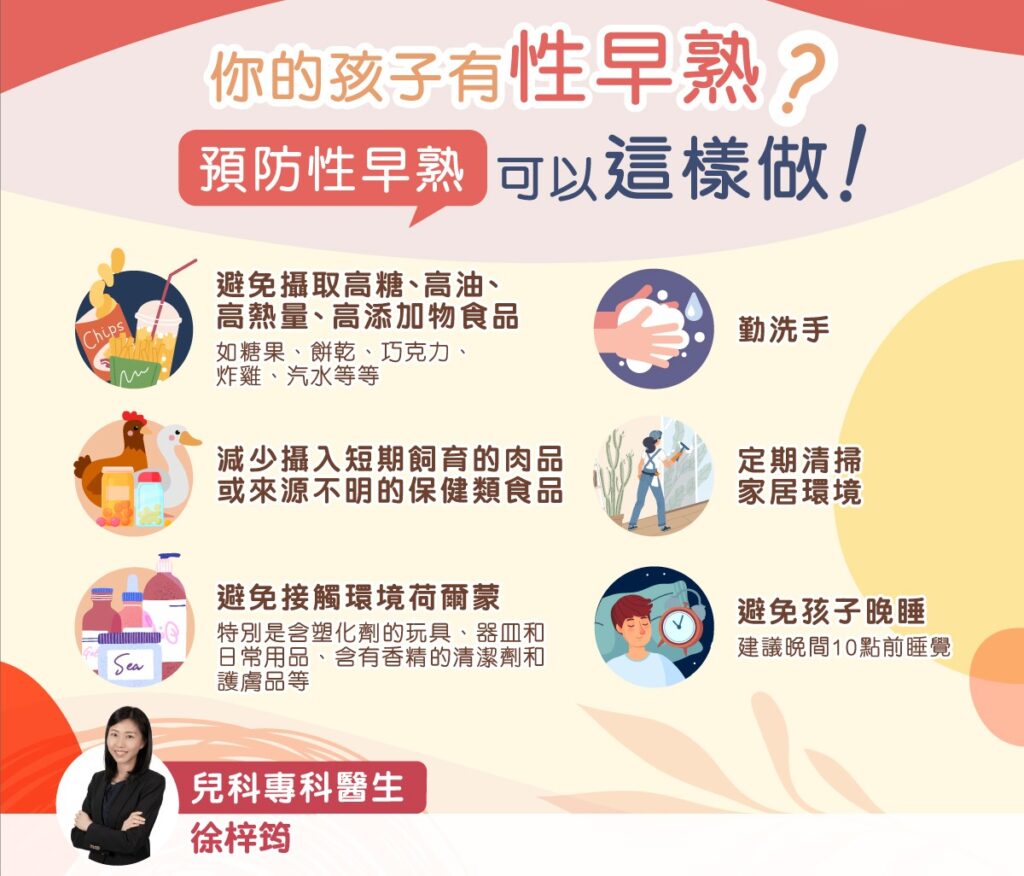
For children to have good growth and development, it is essential to cultivate a balanced diet and healthy, regular lifestyle. It is important to try to avoid children ingesting or coming into contact with external hormones or environmental oestrogens, particularly toys, utensils and daily necessities containing plasticisers.
3.) Thyroid dysfunction (e.g. hyperthyroidism)
The thyroid gland is an endocrine organ, located below the thyroid cartilage in the neck, enclosing the front of the trachea. The thyroid gland secretes thyroid hormones, which control the body's metabolism: the functions of organs such as the heart, eyes, skin, muscles, mental state and emotions, and bones.
Childhood thyroid dysfunction, such as hyperthyroidism (overactive thyroid), is a condition caused by an excess of thyroid hormone. It is more common in girls than boys, with a ratio of approximately 5:1.

Causes of hyperthyroidism
The most common of these is Graves’ disease, an autoimmune condition where the body produces antibodies that stimulate the thyroid gland to produce too much thyroid hormone. The causes are related to genetics, heredity, environment, smoking, and stress. Hyperthyroidism is a physical constitution that can be controlled with medication. If treated early in the disease, patients may be able to stop taking medication.
 Heartbeat quickenedPalpitationsShaking handsAfraid of the heatInsomniaBecoming irritableA bit breathless.Increased bowel movementsDiarrhoeaWeight lossAppetite increasesFeeling tired easilySwollen neckBulging eyesIf hyperthyroidism is left untreated for a long time, osteoporosis can occur.
Women may experience the following symptoms:
Irregular periodsDifficulty conceivingInfertility, a tendency to miscarry after conceptionMen may present with the following symptoms:
ImpotenceSpermatogenesis problemsInfertilitySome men experience gynaecomastia.
Patients typically do not experience all symptoms. Those with mild illness may present with only one or two symptoms, while those with severe illness will show multiple more serious symptoms. Hyperthyroid symptoms appear gradually and worsen over time.
Mild hyperthyroidism is usually not life-threatening, but if left untreated, it will worsen and may develop into "thyroid storm." In the case of "thyroid storm," many of the previously mentioned hyperthyroid symptoms will be present, and in more severe cases, it can lead to heart failure, respiratory failure, and even death from multiple organ failure.
If more of the above symptoms for hyperthyroidism are met and they gradually worsen, it is recommended to book an appointment with an endocrinologist for an assessment.
Congenital hypothyroidism
Congenital hypothyroidism is a condition in which there is a lack of thyroid hormones from birth. Approximately one in every 4,000 newborns has a severe defect in thyroid function, while more newborns have mild or moderate defects.
If left untreated for a few months after birth, severe congenital hypothyroidism can lead to growth retardation and permanent intellectual disability. The most common cause is a defect in the development of the thyroid gland itself, resulting in an absent or underdeveloped thyroid. An underdeveloped thyroid may be located higher up in the neck, or even at the back of the tongue.
Abnormalities in thyroid development can be genetic or sporadic, with no identifiable cause.
Heartbeat quickenedPalpitationsShaking handsAfraid of the heatInsomniaBecoming irritableA bit breathless.Increased bowel movementsDiarrhoeaWeight lossAppetite increasesFeeling tired easilySwollen neckBulging eyesIf hyperthyroidism is left untreated for a long time, osteoporosis can occur.Most newborns with congenital hypothyroidism can achieve normal growth and development with appropriate thyroid hormone treatment. Even children born without a thyroid gland and with undetectable levels of thyroid hormone can have normal intellectual development, although some may experience mild learning difficulties.