Search

Myopia cannot be reversed or cured, but it can be treated and the child's vision improved, and its progression prevented, which is important for protecting the child's eye health in the future. Hooyer Eye Care offers comprehensive and professional myopia control solutions for children with a variety of options. We can provide the most suitable control plan according to the child's different needs, under the professional analysis of ophthalmologists and optometrists, such as optical myopia control lenses, daytime contact lenses, orthokeratology (OK lenses), atropine eye drops, etc., and track myopia progression and safeguard children's eye health.

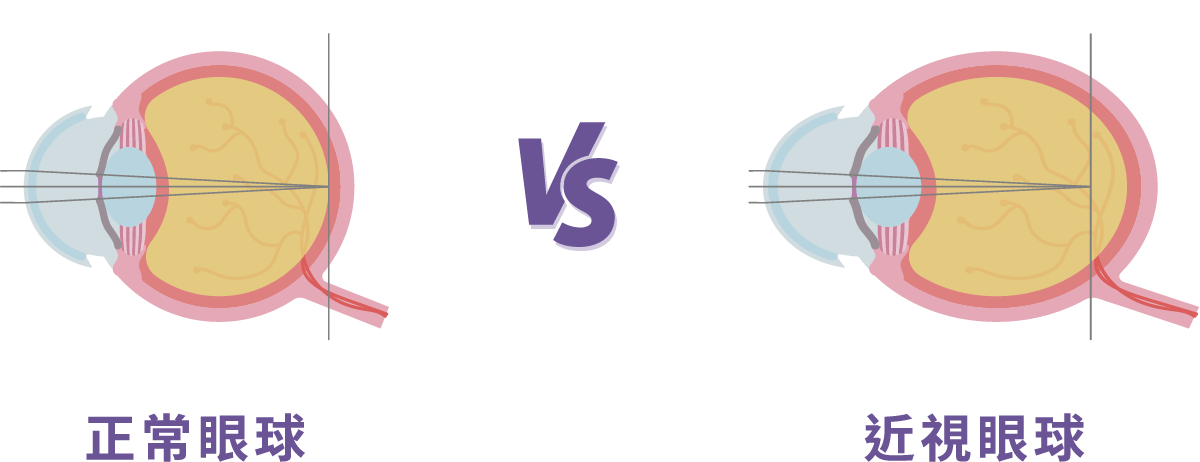
Myopia is when the eyeball is too long or the lens becomes too thick, affecting the ability to focus. This causes light to fall in front of the retina, resulting in blurry distant vision while near objects are clearly visible.

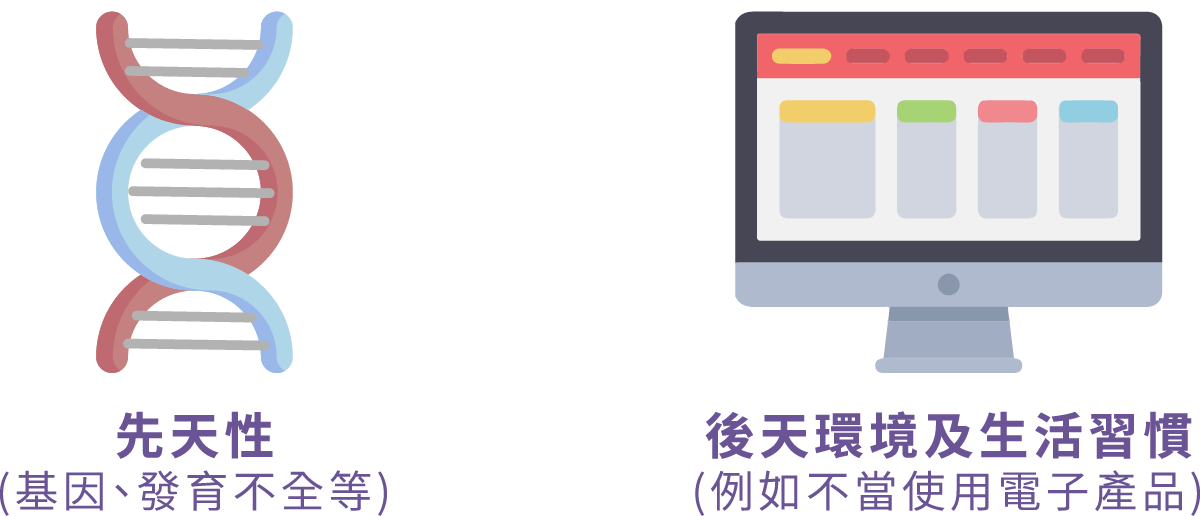
The causes of myopia can be congenital or acquired due to environmental factors and lifestyle habits. As the degree of myopia deepens, the eyeball becomes increasingly longer.

When the eyeball elongates, the retina is also stretched and thins, leading to eye degeneration and complications, such as vitreous and retinal degeneration, and an increased risk of retinal tears and detachment. More severe complications such asMacular degenerationwill cause damage to eyesight and image distortion, with severe cases even leading to blindness.

Children's myopia control plan

Optical control myopia lenses

Ophthalmic lenses utilise scientific principles and special myopia control lens designs to help wearers slow down the progression of myopia.

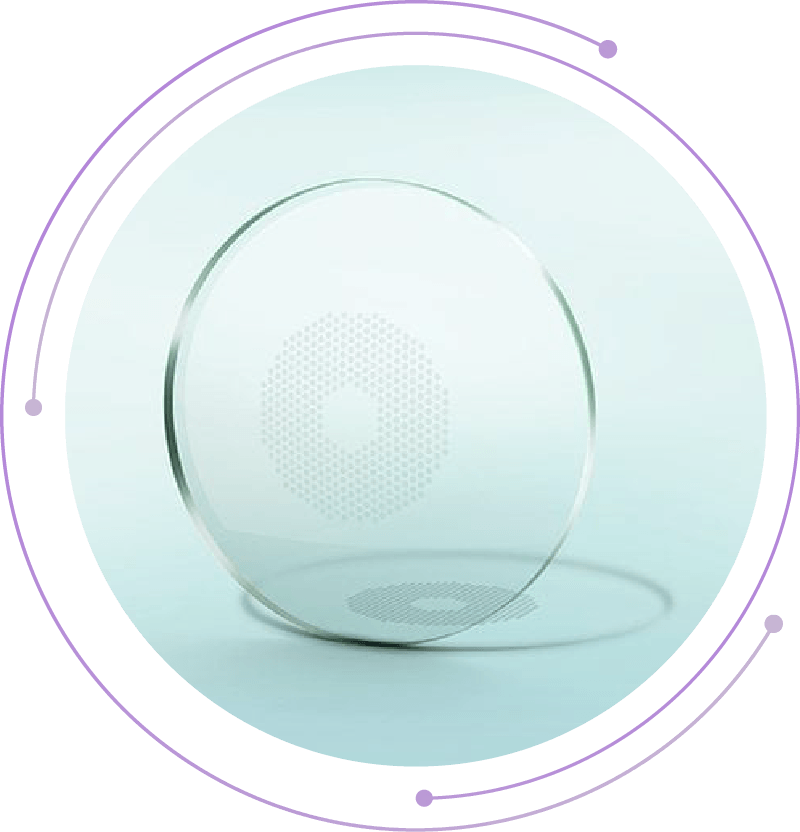
MiyoSmart | DIMS (Defocus Incorporated Multiple Segments) Lens

Developed jointly by The Hong Kong Polytechnic University and lens manufacturer Hoya. The lenses utilise non-invasive patented D.I.M.S. technology, featuring "Defocus Incorporated Multiple Segments" in the centre of the lens to correct vision. The outer periphery of the lens is made up of approximately 400 1mm "Defocus Incorporated Multiple Segments" arranged in a pattern, providing "myopic defocus" when looking in any direction, which helps control myopia and delivers clear, stable vision.

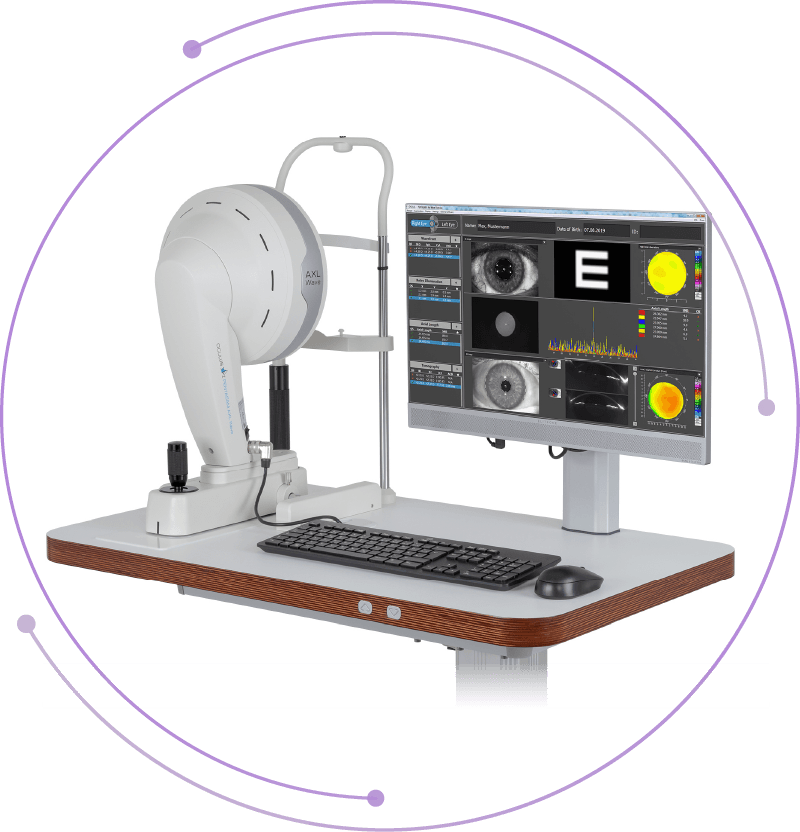
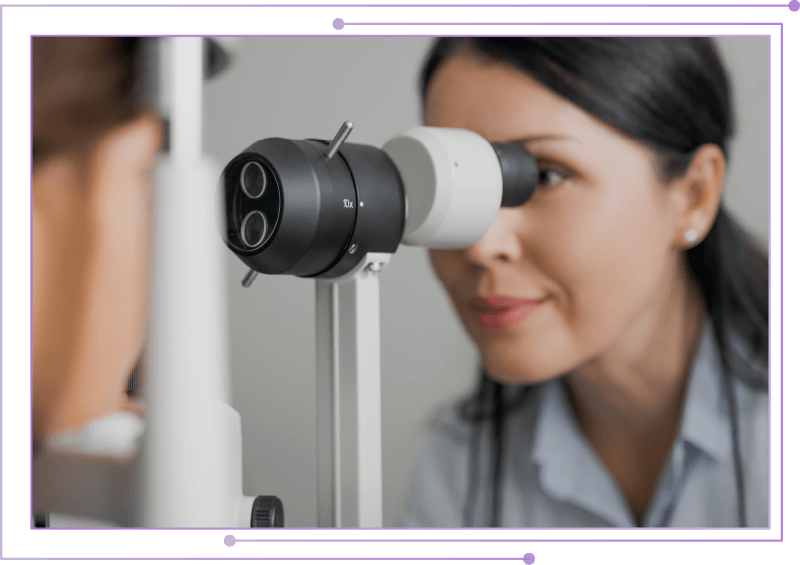
The wearer requires regular reviews, with the entire process managed by a registered optometrist who will closely monitor the rate of myopia progression using an axial length measurement instrument. If control is not as expected, the wearer will be immediately referred to an in-house ophthalmologist for follow-up and assessment. Depending on the situation, additional control strategies, such as atropine, may be recommended.

Daily myopia control contact lenses

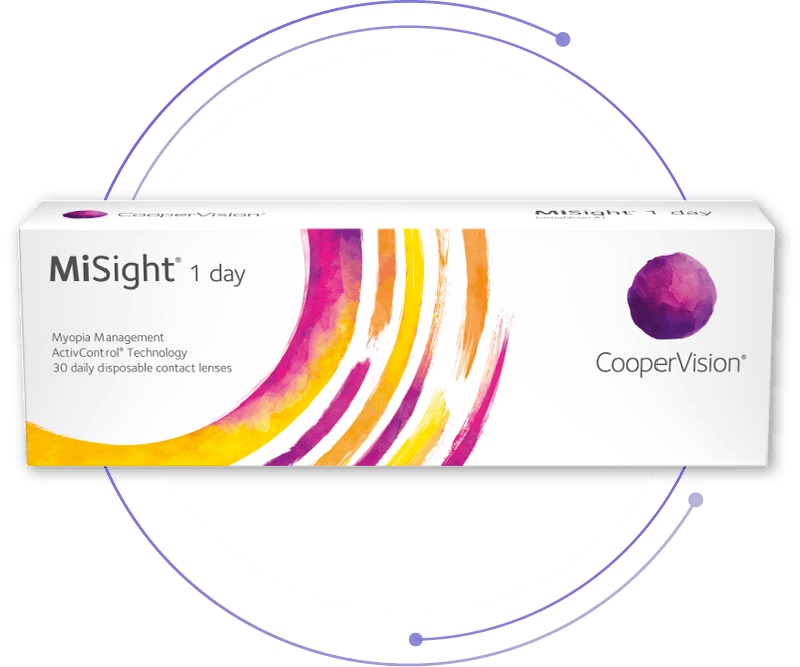
MiSight® daily disposable contact lenses feature groundbreaking ActivControl® Technology, which helps to reduce the chance of children developing high myopia (more than -6.00 dioptres). The lenses are made with Proclear® material, which effectively locks in moisture and provides high oxygen permeability, ensuring comfortable wear and protecting children's eye health.

Daily disposable contact lenses can correct myopia in children, allowing them to enjoy clear vision without the constraints of spectacles. Furthermore, they save the trouble of daily cleaning and disinfection, ensuring safety and hygiene.

Fully supervised by a registered optometrist who will instruct on correct contact lens wearing techniques and care methods. Within the plan period (7 months), four contact lens check-ups will be provided to monitor effectiveness and eye health. If any discomfort arises, patients will be immediately referred to an in-house ophthalmologist for follow-up.

Atropine eye drops

Pharmacological treatment is another option for improving myopia progression. Atropine is an eye drop that, with continuous use, can help slow the progression of myopia. A small number of children may initially experience photophobia as a side effect, which generally improves within a few weeks.

Regular follow-ups with an ophthalmologist will be conducted to measure axial length and refractive error, monitor the effectiveness of control, and assess eye health. Concentration may be increased or other control strategies added if necessary. Individually packaged atropine eye drops are more hygienic and safer than bottle-packaged eye drops.

Orthokeratology (Ortho-K, commonly known as OK lenses)

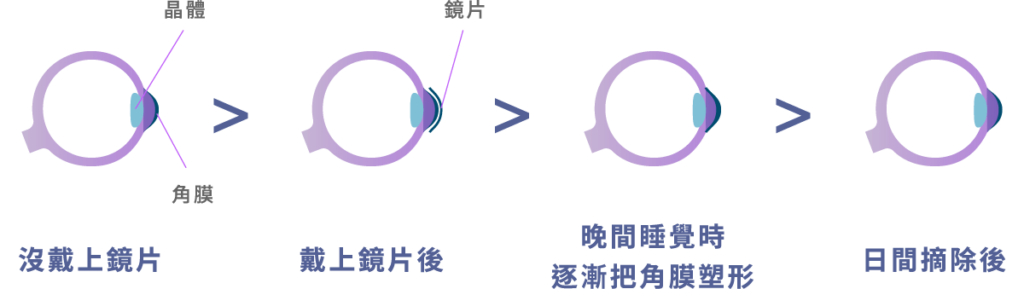
Orthokeratology is a non-surgical procedure that uses rigid, gas-permeable contact lenses to temporarily reshape the cornea through gentle pressure, thus correcting vision. These lenses are worn overnight and removed upon waking, allowing for clear vision throughout the day without the need for glasses.

This method does not cure myopia. Once you stop wearing the glasses, the myopia control effect will diminish over time, and the myopia will return.

The entire process will be supervised by a registered optometrist who will guide you on the correct techniques for wearing and caring for your contact lenses. Throughout the plan period (1 year), six contact lens check-ups will be provided to monitor effectiveness and eye health. Should you experience any discomfort, you will be immediately referred to an in-house ophthalmologist for follow-up.

Optical myopia control lenses Daily myopia control contact lenses Atropine
Atropine

Myopia control
Orthokeratology
Ortho-K
Follow-up staff Registered Optometrist Registered Optometrist Ophthalmologist Registered Optometrist
Principle Using optical defocus lenses to inhibit myopia progression Using optical defocus contact lenses to inhibit myopia progression Slow down eyeball growth, reduce ocular muscle pressure Temporarily altering the curvature of the cornea to reduce myopia.
Myopia control stability
Convenient for daily life
Advantages Easy to wear and remove Can be fitted with prescription lenses, eliminating the need for separate glasses. Individually wrapped, convenient to use, safe and hygienic No glasses needed for daytime activities
Points to note / Children need to put on and take off their contact lenses themselves every day. Must be prescribed by an ophthalmologist, still require glasses If children rub their eyes carelessly, they may cause corneal damage or infection.
Age suitability* 3 years and over 6 years and over 4 years and over 8 years and over
Prescription strength Myopia of 600 degrees or less; astigmatism of 400 degrees or less Short-sightedness 600 degrees or below; astigmatism 100 degrees or below Any degree Myopia up to 600 degrees; astigmatism up to 200 degrees
Non-invasive
Effect Average slowdown within 2 years
59% Myopia Progression2
Slowed the progression of myopia by an average of 591 TP3T over a three-year period4 Slowed the progression of myopia by an average of 671 TP3T within one year1 Slowing down the elongation of the eyeball 43%3

*Subject to individual actual circumstances ^Users need to apply atropine eye drops every night before going to bed
The user must wear the lenses to sleep for 6-8 hours every night.

1. Yam JC, et al. Ophthalmology 2019; 126: 113–24.

2. Lam CSY, Tang WC, Tse DY, Lee RPK, Chun RKM, Hasegawa K, Qi H, Hatanaka T, To CH. Defocus Incorporated Multiple Segments (DIMS) spectacle lenses slow myopia progression: a 2-year randomised clinical trial. British Journal of Ophthalmology. Published Online First: 29 May 2019. Doi: 10.1136/bjophthalmol-2018-313739

3. Cho P and Cheung SW. Invest Ophthalmol Vis Sci 2012; 53: 7077–85.

4. CLEERE Study Group. Early childhood refractive error and parental history of myopia as predictors of myopia. Invest Ophthalmol Vis Sci. 2010 Jan; 51(1):

Children's myopia control

Our centre will contact you to confirm the details before confirming the reservation.
Required
Scroll to Top

Keep up with the latest information on the epidemic and children's health?
Subscribe to our regular emails now

To be completed
建立注射疫苗時間表
即時預約
whatsapp預約
網上預約