
Childhood Autism Spectrum Assessment
Autism Spectrum Disorder (ASD) is a congenital developmental disorder that presents varying degrees of difficulties in social communication and behaviour for children. Some children may also experience differences in cognitive, intellectual, language, and emotional development. With the update of diagnostic criteria (DSM-V), previous terms such as autism, Asperger's syndrome, high-functioning autism, autistic tendency, autistic traits, atypical autism, and pervasive developmental disorder not otherwise specified (PDD-NOS) have been consolidated under the umbrella term "Autism Spectrum Disorder". If a child exhibits characteristics of Autism Spectrum Disorder, including slower language development, social difficulties, and behavioural issues (such as rigidity, restricted interests, etc.), an assessment is recommended. For more information on the causes, symptoms, assessment, and treatment of autism, please contact Huier Paediatrics.
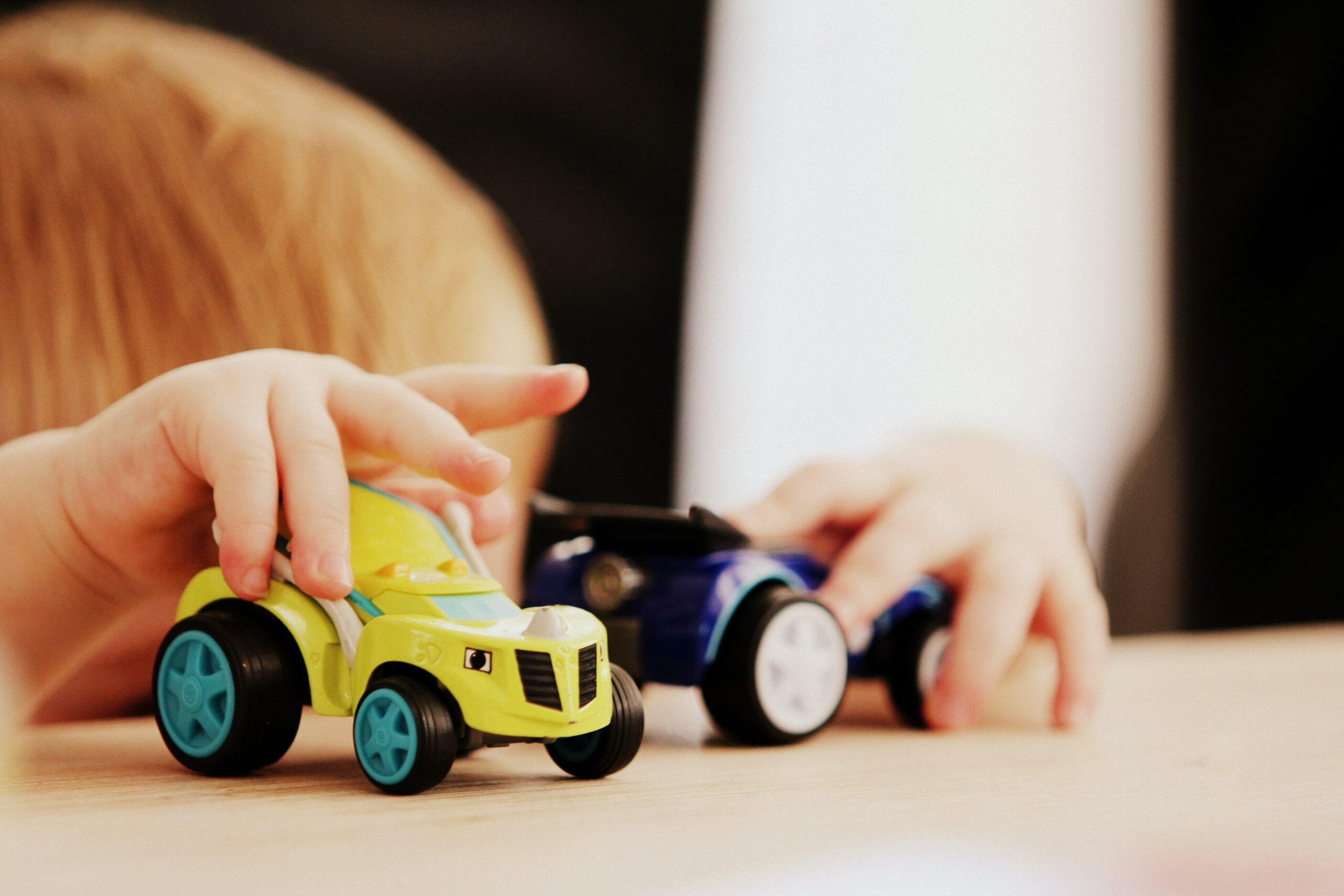
Symptoms and diagnosis of Autism Spectrum Disorder
The symptoms of autism usually appear before the age of three and continue into adulthood. It affects brain development and manifests in socialisation, communication, interests and behaviour, impacting children's development in many areas. Autism is not a mental or psychological illness, but a long-term developmental disorder. Sufferers are affected by neurological impairments in the brain, leading them to perceive seeing, hearing and feeling things differently from most people. Autistic children experience varying degrees of difficulty in three areas: social interaction, language development, and behavioural patterns (such as rigid personality and narrow interests).
Diagnosis of Autism Spectrum Disorder requires a detailed clinical assessment and the exclusion of other developmental disorders. Each child on the autism spectrum presents with unique behavioural characteristics. According to the DSM-V diagnostic criteria, clinical symptoms are divided into two major categories: social and behavioural.
Childhood autism characteristics
Socially:
Children encounter three main barriers/difficulties in communication and social interaction in different social settings:
1.Difficulty with social interaction skills
- Indifferent, passive
- Inappropriate over-enthusiasm
- Prefers to play alone
- Rarely pays attention to other companions
- To forcefully grab someone's hand to use as a tool.
- Lack of eye contact
- Seldom shares (interests, emotions) with others
- Resisting others touching their body, or touching others' bodies inappropriately
- Difficulty starting or continuing conversations with others
- Difficulties with non-verbal communication:
- Lack of eye contact
- Less pointing at objects to indicate needs
- Lack of facial expression
- Using the wrong tone of voice, stiff and robotic.
- Difficulty developing relationships
- Rarely pays attention to other companions
- Difficulty adjusting behaviour to suit different social situations
- It's difficult to get invested in games that require imagination.
- Having difficulty making friends
- Find it difficult to make friends
Behavioural:
In terms of daily behaviours, the following behavioural problems have occurred or are occurring, and at least two of the following behaviours are met:
- Repetitive behaviour
- Stereotyped repetitive bodily movements or behaviours (e.g., hand flapping, body rocking, head rocking, spinning, walking in circles, etc.)
- Repetitive behaviours: such as arranging items, opening and closing cupboard doors, turning wheels, and flicking light switches
- Repeating spoken words, asking the same question repeatedly
- Fixed behaviour/ Refuse the everyday changes:
- To stick to the same, rigid routines, schedules, or order of doing things, and to follow a pattern.
- Harder to adapt to life changes
- Repetitive gameplay
- Resistant to, or finds it difficult to accept, new foods, environments and things.
- Niche interests
- To be engrossed in one or a few stereotyped, narrow interests, with an unusual degree of focused attention (e.g. on numbers, English vocabulary, bus routes, bus/vehicle models, signs, station names, maps, calendars, flora, fauna etc.).
- Having an unusual interest in a particular part of an object (e.g. wheels, door hinges).
- Abnormal sensory response
- Over- or under-reacting to sensory input: for example, becoming distressed by or overly seeking out certain sounds or textures, or fixating on certain light sources and dynamics (such as spinning objects).
The causes of Autism Spectrum Disorder
What are the causes of autism? Is it genetic?
The causes of autism remain unclear to this day. However, numerous studies have indicated that the comorbidity rate among monozygotic twins is significantly higher than that among dizygotic twins; approximately 10% of individuals with autism also have other genetic and mutation-related conditions(such as Down’s syndrome and tuberous sclerosis), but as there are so many possible genetic combinations involved, and research is influenced by factors such as genetic mutations, structural brain abnormalities and environmental influences during foetal development, it is not possible to conclude that there is a 100% link between the causes of autism and genetics.
Research indicates that mothers transmit encoded gene mutations to the next generation, while fathers pass on less influential non-encoded gene structural variations. It is only when combined with problematic variations from the mother that autistic symptoms appear in offspring. These are preliminary research findings, and the association with genetics still requires further investigation.
Autism Spectrum Disorder is not caused by a single factor, and its exact causes are still being researched. Some of the following factors may also contribute to Autism Spectrum Disorder:
Neurotransmitter abnormalities (e.g. serotonin), structural brain abnormalities, congenital metabolic disorders, exposure to drugs (e.g. anti-epileptic drugs) during pregnancy. Previous individual studies have suspected a link between vaccination and autism spectrum disorder, however, subsequent larger studies have confirmed no such link. Children who have not received vaccines also have a certain degree of risk of contracting infectious diseases.
Is it possible to know if a child has autism during pregnancy?
Autism is a congenital developmental disability. Therefore, it is difficult to know or predict during pregnancy whether a baby will have autism. It is necessary to wait until after the child is born to see if symptoms appear.
Even if the first child a parent has is autistic, they can understand that the chance of the baby in the womb having autism is higher than for others. The hope is to identify early on whether the child is showing symptoms, so that training can be carried out to improve the situation.
Why is the number of diagnosed autism cases constantly rising?
According to 2018 data from the US Centers for Disease Control and Prevention (CDC), one in 44 children is diagnosed with autism spectrum disorder, with a male to female ratio of approximately 4 to 1. Some cases are mild, but some are also diagnosed with intellectual disability or other developmental issues.
How does Autism Spectrum Disorder affect child development?
Autism spectrum disorder isDevelopmental disorders affecting social and behavioural developmentSymptomsWill improve through training.
Generally, symptoms become apparent between one and two years of age. Parents may notice delayed speech or other developmental milestones, or that their child's social responses are not typical for their age. Some children may exhibit more noticeable behavioural issues, such as repetitive actions or narrow interests.
In addition to potentially affecting learning, delayed language development can also increase a child's social difficulties. In some milder cases, the symptoms are not apparent in early childhood, making them harder to detect. As the child gets older and social expectations in their environment increase, the symptoms may gradually become noticeable. Examples include excessive stubbornness regarding certain things, unusual obsession with particular objects or interests, and difficulty understanding social norms or "unwritten rules" in different social settings.
For children, social difficulties can make it hard for them to integrate into social relationships, make friends, and maintain friendships. Consequently, they may face more varied challenges in academics and work. These difficulties can also continue to affect children into adulthood, and ongoing social skills training can be positively beneficial to their development.
According to data from the US Centers for Disease Control and Prevention (CDC), approximately one-third of children with autism spectrum disorder are also diagnosed with intellectual disability, while a further portion are simultaneously diagnosed with attention deficit/hyperactivity disorder. ADHD), dyslexia, Tourette Syndrome, Developmental Coordination Disorder, etc.
Moreover, due to difficulties encountered in learning and socialising, some children may also present with emotional problems, such as symptoms of anxiety disorders.
Will autism be cured?
Autism Spectrum Disorder, what are the treatment methods?
Treatment for Autism Spectrum DisorderPrimarily behavioural training.Currently, there are no medicinal treatments. The aim of behavioural therapy is to enhance the child's social motivation and build effective social communication skills, enabling the child to integrate better into social relationships. Some behavioural training also targets the child's behavioural problems and sensory integration issues.
Different behavioural training approaches have their own advantages. Regardless of which training approach parents choose, the earlier therapy begins, combined with intensive and sustained training, the more beneficial it will be for the child. Consistency between parents and teachers can also significantly increase effectiveness.
The more common training models are as follows:
Behavioural strategy
- Applied Behaviour Analysis, or ABA, teaches learning objectives in a systematic way by breaking them down into simple steps, then using rewards and repetition to help children gradually master new skills.
- Picture Exchange Communication System (PECS)
Interactive strategy
- Developmental, individual differences, relationship-based model (DIR) (also known as Floor Time) is child-led, creating a play environment based on the child's developmental stage and interests, to enhance their interaction skills and social abilities.
Cognitive strategy
- Social stories: Using different social stories to help children understand social skills and norms in various social situations or occasions.
- Theory of Mind Training: Training children to understand others' thoughts, motivations, feelings, emotions, etc., through observation and thinking.
Environmental strategy
- Structured Teaching, based on the Treatment and Education of Autistic and related Communication handicapped Children (TEACCH) framework, leverages children's visual strengths and adherence to routines. It employs two key strategies: "visual structure" and "routine building." Through systematic arrangements and structured schedules, it designs and supports teaching to help children understand and predict environmental demands, establish routines, and reduce behavioural issues.
Parents can refer to their doctor's opinion when choosing a treatment plan, so as to cater to their child's needs. For treatments that have not been scientifically or clinically proven, especially invasive treatments, which may cause harm to the child, parents should seek their doctor's advice.
At what age can an autism assessment be done?
Autism Spectrum Disorder Assessment
If parents have concerns about their child's development, they should seek professional advice as early as possible. Parents can consult a paediatrician and be referred by the paediatrician or a clinical psychologist.All-round development assessment; or attend a maternal and child health centre of the Department of Health for initial assessment and referral to the Child Assessment Centre.
Following an assessment, a paediatrician or clinical psychologist will recommend a suitable training plan based on the child's needs.
The Social Welfare Department also provides pre-school rehabilitation services offering corresponding training for pre-school children under the age of six. These include cognitive, speech therapy, occupational therapy, and physiotherapy. Following an assessment by a paediatric specialist or clinical psychologist, children who meet the criteria can be referred by a paediatrician or clinical psychologist to be placed on a waiting list for training at Early Education and Training Centres (EETC) under the Social Welfare Department, On-site Pre-school Rehabilitation Services (OPRS), or Integrated Early Childhood Education and Care Centre for Children with Disabilities (ICCC), or they may enrol in Special Child Care Centres (SCCC).
For children with autism spectrum disorder who attend mainstream schools, the Education Bureau will provide guidance and support to teachers on the special teaching strategies and behaviour management required for these pupils. For some children with particular needs, they will be placed in special schools according to their intellectual abilities.
Support and understanding for Autism Spectrum Disorder are continuously improving in society. If parents have concerns, they should seek help as early as possible. The earlier corresponding training begins, the more ideal the results will be, and this will also have a positive impact on the child's future development.
Assessment process
Assessments will be conducted by a paediatrician or psychologist. Prior to the assessment, parents will be consulted to understand the child's overall situation and will be briefed on the assessment process. Parents or teachers may be required to complete questionnaires to understand the child's situation at home or at school. The paediatrician or psychologist will conduct the assessment using appropriate assessment tools. The child may also require cognitive or overall developmental assessments.
Assessment tools
- Autism Diagnostic Observation Schedule 2
- Cambridge University Behaviour and Personality Questionnaire for Children (AQ Child)
- 修正的幼兒自閉症檢查表