
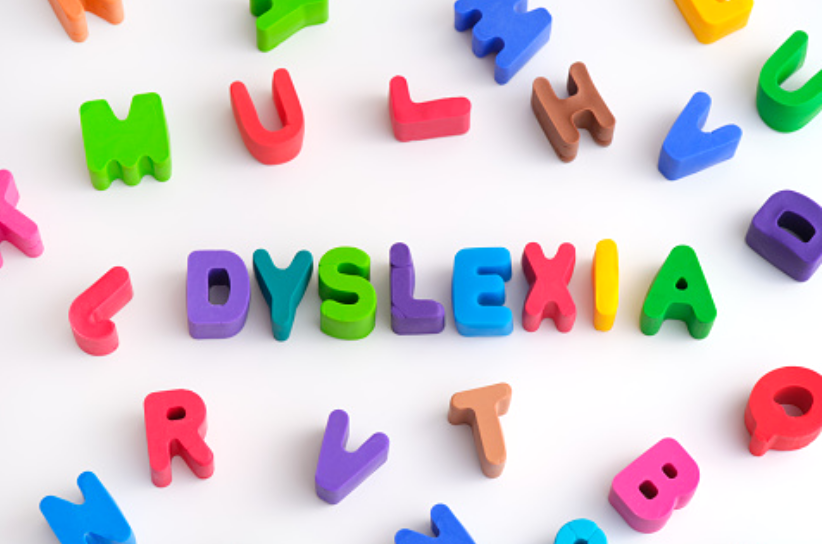
How to tell if your child has a learning difficulty.
Children with dyslexia are generally unable to recognise, read or spell words accurately or fluently, and may experience difficulties when learning either Chinese or English. They often dislike reading because they find it genuinely difficult to comprehend what they read.According to research by the Hong Kong Department of Health, approximately 10 to 12% of pupils have dyslexia. Within the Hong Kong education system, there are two main indicators of dyslexia:
- Students' IQ must be normal.
- Normal intelligence but language skills below a certain level compared to peers
When you notice a child's reading and writing abilities are weaker than those of their peers, you should have them assessed. If the learning difficulties caused by dyslexia are not properly addressed, they can have a negative impact on the child's long-term development.
How to help children with dyslexia?
Providing emotional support and academic assistance for children with dyslexia.
- Academically: Observe children's behaviour and provide suitable teaching strategies for them.
- Improving reading comprehension practice: Enhancing vocabulary, understanding and application for lasting memory.
- Reading exercises to improve comprehension and recognition skills
- Methods to improve Chinese character recognition ability
Early diagnosis helps to improve learning. In teaching, individual learning plans should be established for children, and relevant adjustments and support should be provided.
Children's psychologists may be needed in schools in a variety of situations. These can include: * **Behavioural issues:** If a child is exhibiting disruptive, aggressive, or withdrawn behaviour that is impacting their learning or the learning of others. This could involve issues like ADHD, conduct disorder, or oppositional defiant disorder. * **Emotional difficulties:** When a child is experiencing significant sadness, anxiety, fear, anger, or has difficulty regulating their emotions. This might be related to trauma, grief, family problems, or general mental health conditions like anxiety disorders or depression. * **Learning and developmental concerns:** If a child is struggling academically in ways that go beyond typical learning challenges. This could involve suspected learning disabilities (like dyslexia or dyscalculia), developmental delays, or cognitive impairments. * **Social skills deficits:** When a child has significant difficulties interacting with peers, making friends, understanding social cues, or participating in group activities. * **Trauma and crisis intervention:** Following a traumatic event at school or home that affects a child's well-being and ability to function. This could include instances of bullying, abuse, natural disasters, or witnessing violence. * **Support for specific populations:** Children with special educational needs, those from disadvantaged backgrounds, or children who have experienced significant life changes (e.g., parental divorce, relocation) may require specialist psychological support. * **Assessment and diagnosis:** To conduct psychological assessments to diagnose conditions that may be affecting a child's learning, behaviour, or emotional state. * **Consultation and support for staff:** To provide guidance and training to teachers and other school staff on how to support children with specific needs or challenging behaviours, and to help them understand child development and mental health. * **Early intervention:** To identify children at risk of developing mental health problems or learning difficulties and to put in place preventative strategies. * **Collaboration with parents/carers:** To work with families to understand a child's challenges and to develop consistent strategies for support both at home and at school.
When parents have concerns and are unsure about their child's academic progress or emotional and behavioural situation at school, and are also unsure how the school is treating their child. Our psychologists will visit the school to gather information and gain a deeper understanding of the child's situation. This will enable them to provide recommendations to teachers on how to guide and support the student, so that the situation can be improved.
Dyslexia assessment
It is not necessarily because they are not diligent that children's reading and writing skills are not ideal! According to statistics from the Department of Health, about 10% of students in Hong Kong suffer from dyslexia. If parents have any doubts, they can arrange for their children to undergo a dyslexia assessment for early identification and to arrange appropriate treatment. Our centre offers two types of dyslexia assessment and treatment:
Pre-school dyslexia assessment
- Managed by paediatricians, dyslexia assessments begin with understanding the child's overall situation from parents and a brief introduction to the assessment process.
- Suitable for Kindergarten and Primary students (K2 and K3)
- Children should undergo cognitive ability or overall developmental assessments according to their needs.
Assessment for dyslexia in primary and secondary school students
- A dyslexia assessment is conducted by a registered psychologist. Before the assessment, parents will be consulted about the child's overall situation and the assessment process will be briefly explained.
- Students must undergo an intelligence assessment before further dyslexia assessment can be conducted.
Dyslexia assessment tools
- Wechsler Preschool and Primary Scale of Intelligence – Fourth Edition (Hong Kong Version) Standardised Intelligence Test
- The Hong Kong Dyslexia Early Screening Scale (HKDESS)
- Hong Kong Paediatric Dyslexia Screening Test (Third Edition) (Lower Primary / Upper Primary)
- Hong Kong Junior Secondary Students Dyslexia Assessment (Second Edition)
Referral to the Child Assessment Centres (CAC) under the Education Bureau or the Department of Health for assessment and services (if required).
Subject of assessment
Schoolchildren aged 6 to 15 ½ years old
Dyslexia treatment
Providing emotional support and academic assistance for children with dyslexia.
First, observe the children's behaviour, see what emotional issues have arisen, understand how these emotions affect their learning, and provide counselling in this area.
Academically, due to it being a specific learning difficulty, psychologists will provide them with suitable materials and teaching strategies, as well as exercises to improve reading ability. During the process, long-term memory of vocabulary, comprehension and application skills can be improved, while reading exercises that can enhance comprehension and recognition skills are carried out, which are effective methods for improving word recognition ability.
At the same time, we will also provide advice for parents on how to continue training or revision at home with their children.