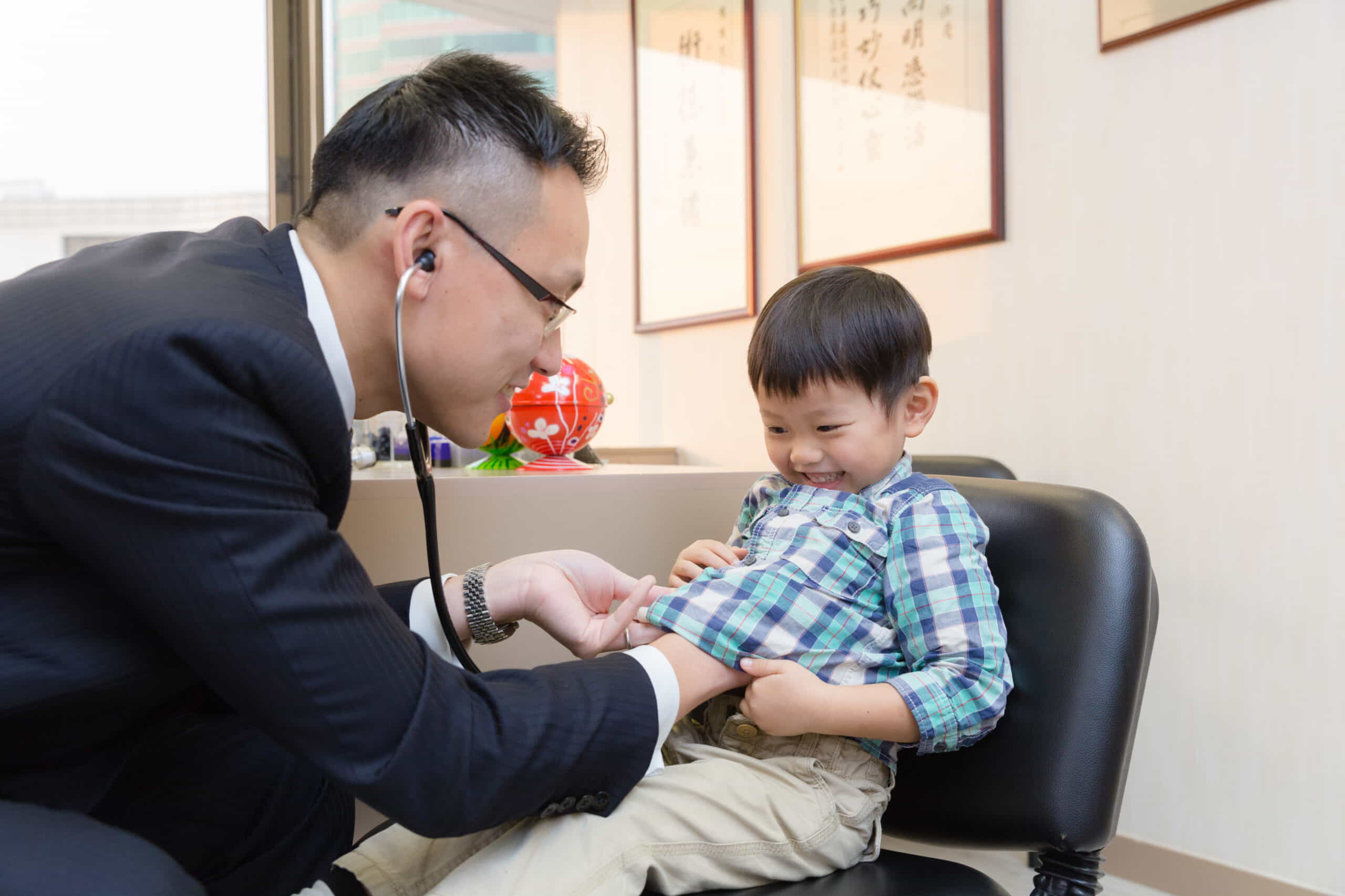
Children's regular physical examinations

Paediatric Specialist Consultation Examination Procedure
- Calcium, Iron, Zinc, Sodium, Magnesium
- Haemoglobin, white blood cells, platelets
- Liver, kidney function, thalassaemia, G6PD, etc.
Children's eczema treatment
Eczema, also known as atopic dermatitis, is a chronic skin condition linked to an allergic immune system. Children with a family history of eczema or other allergic conditions like asthma or hay fever have a higher chance of developing eczema.
Eczema itching can make children want to scratch, often leading to skin redness, swelling, and infection, as well as sleep deprivation and difficulty concentrating. Currently, there is no effective cure for eczema, but with daily care and appropriate treatment, it can be managed and soothed effectively.
Eczema Case Study
Three-and-a-half-year-old girl fights eczema with non-steroidal medication
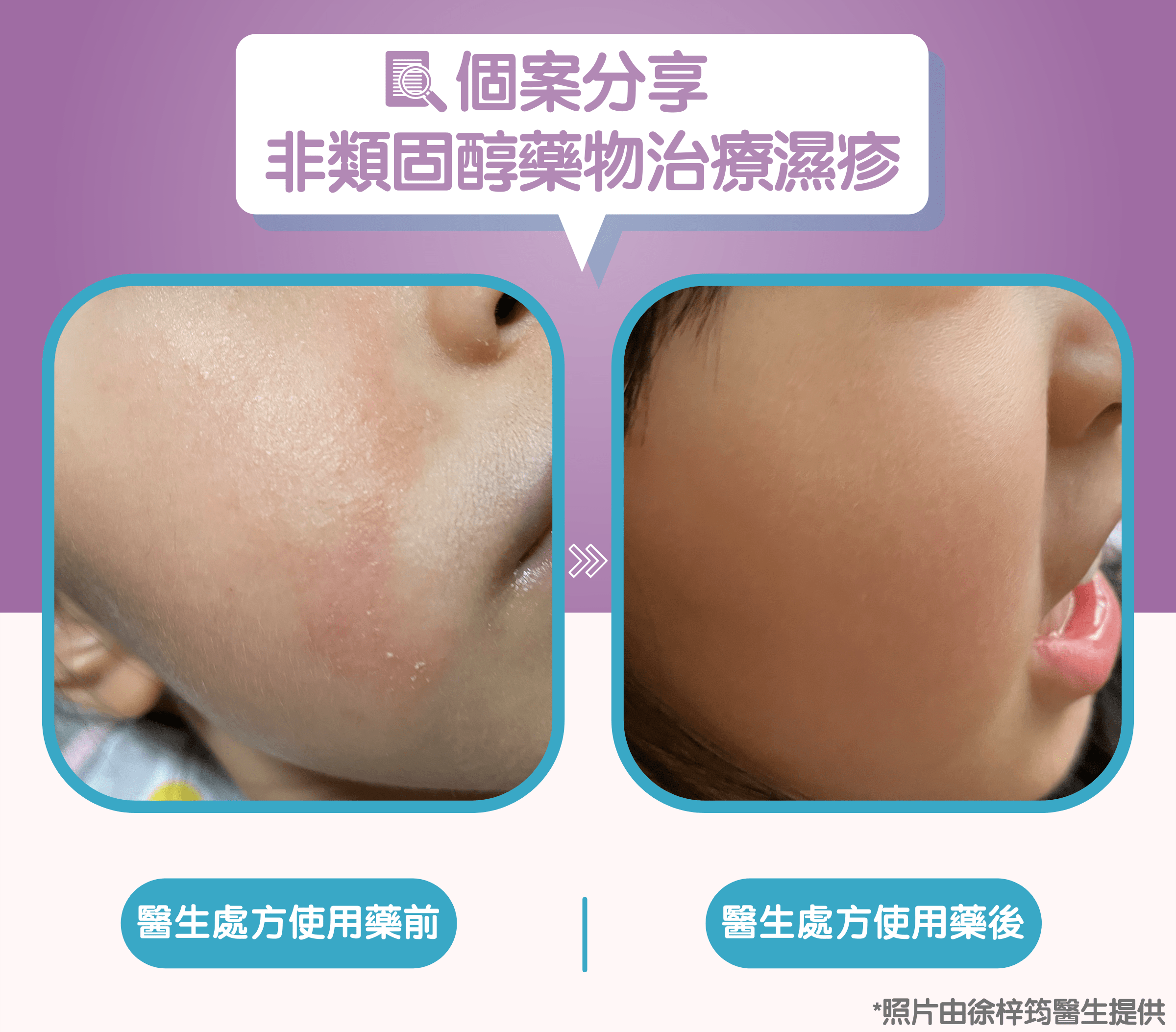
The girl's parents both have a history of eczema and nasal allergies. The girl developed infantile eczema on her face and body at three months old. After careful care from her parents and following the doctor's prescription for medication, the eczema was brought under control.
However, with the change of season and a cold, eczema reappeared on the child's face and around their eyes. The parents are worried about the side effects of long-term steroid use, and since the eczema is near the eyes, they have started looking into treatments other than steroids.
As the child's eczema is mild to moderate, the doctor recommended using a novel non-steroidal topical PDE4 inhibitor. After seven to ten days of using the medication, the child's skin showed significant improvement and they did not experience any discomfort. The parents also consistently applied a suitable moisturiser and did their best to avoid allergens.
Key takeaway: As PDE4 enzyme inhibitors are non-steroidal, they can be safely used on different parts of the body, such as the face and near the eyes, without the side effects associated with long-term steroid use. Studies have also shown that patients using PDE4 enzyme inhibitors do not require the simultaneous use of other treatments to control their condition for up to 48 weeks. The risk of experiencing side effects within 48 weeks of use is low, and they are well-tolerated.
*Photo courtesy of Dr Xu Ziyun
Our paediatric specialist will make a diagnosis and determine which course of treatment to select. Please feel free to consult us for details.
Paediatric asthma treatment
Coughing, a runny nose, phlegm, and poor appetite in children can all be early signs of asthma! Asthma is a common airway disease that can be caused by inflammation of the airways, leading to excessive secretions and swelling, which can suddenly cause the airways to constrict. It should absolutely not be underestimated!
The causes of asthma can be divided into 3 main categories:
- Environmental factors
- The weather is changing
- Flu infection
Paediatricians will assess the child's condition and prescribe appropriate medication to alleviate their asthma symptoms. Children's asthma can be fully recovered from by following the doctor's instructions. Seize the golden opportunity for treatment now and consult a paediatrician.
Diagnosis and Treatment of Special Skin Diseases in Children
Children can have skin problems that are less common in adults, such as the following:
Strawberry haemangioma
Molluscum contagiosum
– Hives
Our paediatric specialist will make a diagnosis and determine which course of treatment to select. Please feel free to consult us for details.
Flat head syndrome and plagiocephaly corrective helmets
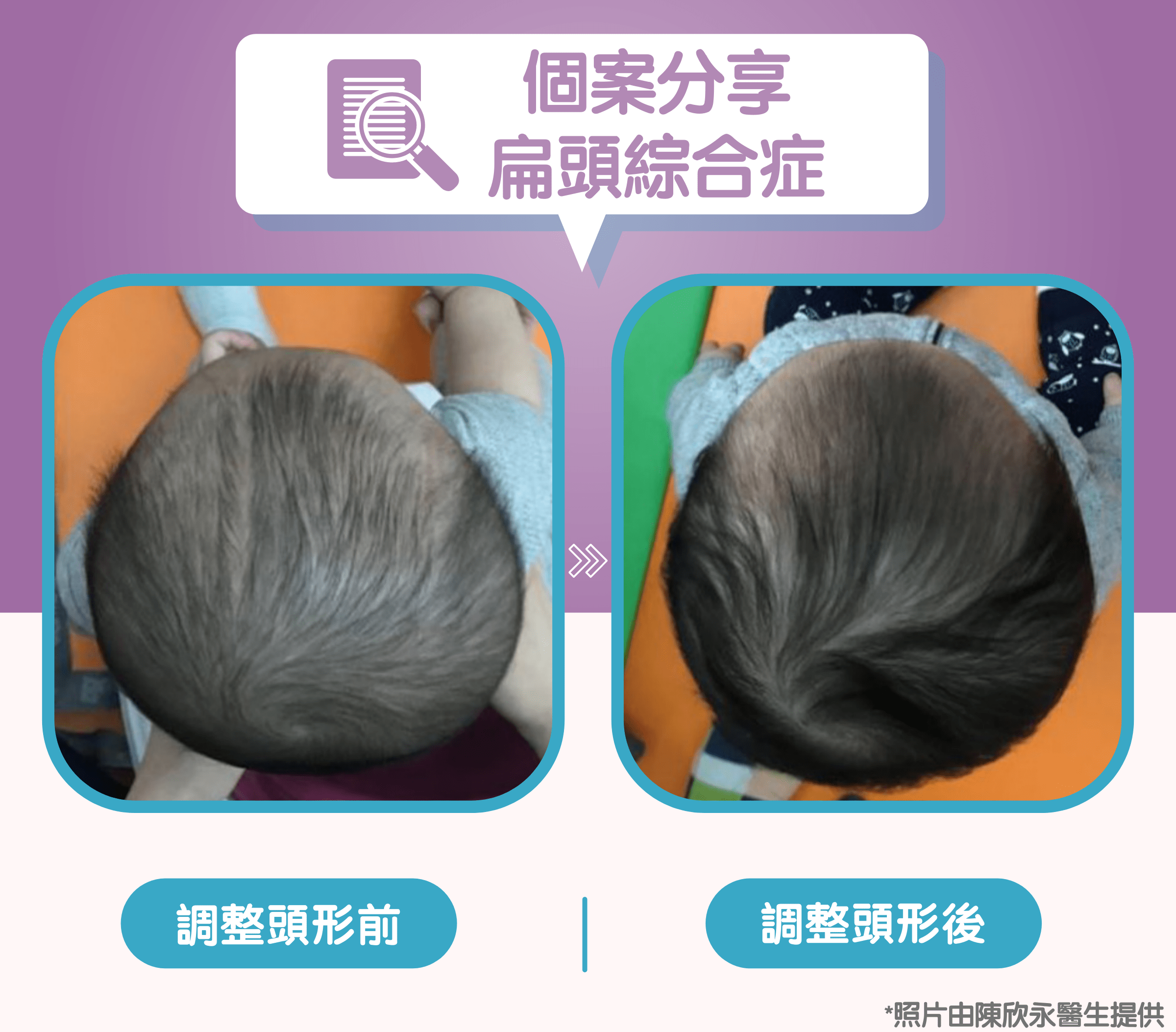
The picture on the left shows the baby's head shape before adjustment, and the picture on the right shows the head shape after adjustment, clearly indicating a significant improvement. We'd like to remind parents that 4 to 8 months is the golden period for treating flat head syndrome, as a baby's head grows rapidly in the first six months. The earlier treatment is received, the shorter the overall treatment duration and the higher the chance of success.
Types of flat head syndrome
Plagiocephaly
Flat-headed (Brachycephaly)
– Asymmetrical plagiocephaly (plagiocephaly + flat head combination)
– Scaphocephaly
The most common condition is plagiocephaly, which is usually caused by prolonged pressure on the same area of the head, leading to a flattened deformation that may result in facial asymmetry. In such cases, when parents look down at their baby, they may notice that the position of the ears and the size of the eyes and cheeks on either side differ, giving the face a diamond-shaped appearance.As for the cause, it is usually due to shortening of the sternocleidomastoid muscle, most commonly resulting from birth trauma during the first or fifth stage of labour.If serious complications arise during delivery—such as shoulder dystocia leading to a clavicle fracture—there is an increased risk of the sternocleidomastoid muscle developing a benign myoma. In such cases, the baby should be referred to a paediatric physiotherapist for neck muscle stretching exercises to improve the condition of torticollis; otherwise, the likelihood of the head becoming asymmetrical is significantly higher.
Another type of flat head is a flattened back of the head, which is common in babies with low muscle tone who often sleep on their backs and are not very active.
The dolichocephalic head shape is often seen in premature babies who require extended special care in hospital, leading them to be frequently positioned on their sides for monitoring and the use of equipment. As their skull bones are particularly fragile, this can easily cause deformation of the bones on both sides.
Eighty percent of skull development occurs in the first year after birth, so early treatment before it sets is recommended.
Regarding effects, there is currently no medical research to prove that flat head syndrome causes lasting damage to a baby's neurodevelopment. However, unnatural head structures caused by skull asymmetry may hinder the balanced development of a baby's eyes and ears, potentially leading to problems such as astigmatism or hearing issues. Furthermore, an abnormal head shape affects appearance, which may lead to psychological and social problems for the child when they grow up.
Generally, about 80% of skull development occurs within the first year of birth. After this, the growth rate slows down between 12 and 18 months, and the skull takes shape around 18 to 24 months. Although babies do not have sufficient ability to turn their bodies on their own before they are 4 months old, parents can help improve a flat head condition by changing the baby's sleeping position. Once a baby can freely change their lying position and move around, it becomes more difficult to improve head shape using this method. Orthotic helmet treatment may be necessary at this stage.
The period between 4 and 8 months of age is the golden window for treatment.
The effectiveness of helmet therapy depends on whether the fontanelle has closed, the baby's growth rate, and the parents' adherence to the guidelines for wearing the helmet. The period between 4 to 8 months of age is the golden time for treating flat head syndrome, as the baby's head grows rapidly in the first 6 months. The earlier treatment is started, the shorter the overall treatment time and the higher the chance of success.

Treatment generally lasts 3 to 5 months. Wearing the helmet not only prevents it from squeezing the baby's head but also provides space to guide the flattened skull to grow in its original direction. Therefore, it should also be worn during sleep. Most babies adapt easily within a few days.
To prevent flat head syndrome, parents should allow their baby to spend time lying on their front under supervision, performing exercises commonly known as "Tummy Time". Additionally, parents should alternate the baby's head position while sleeping to prevent flattening. Once the baby can use a pillow, they can opt for one that helps improve head shape.
If parents have any questions, they should consult a paediatrician as soon as possible to ensure appropriate treatment.
Newborn metabolic screening
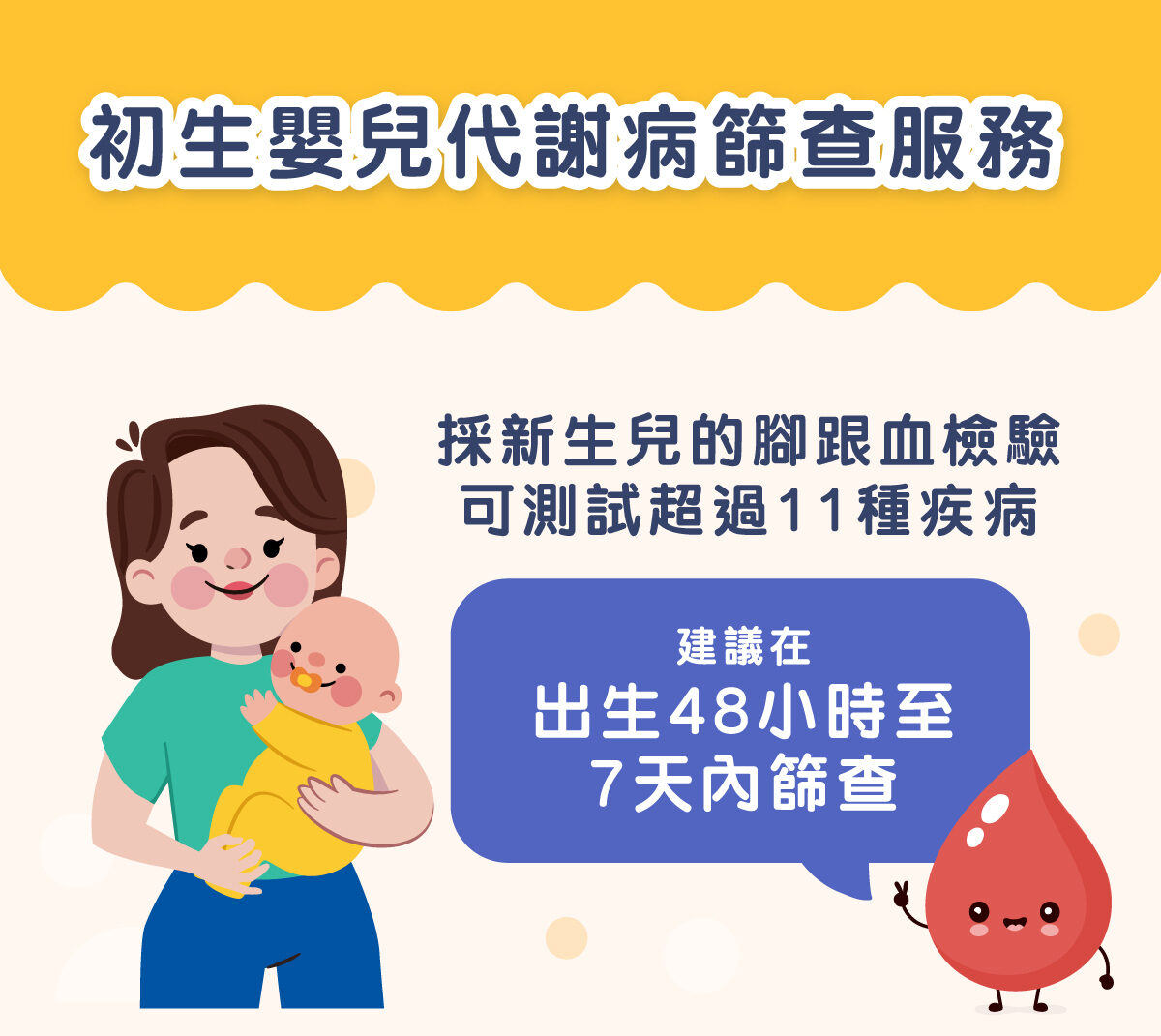
Congenital metabolic diseases are caused by genetic defects in newborns, leading to a lack of certain enzymes in the body, hindering metabolic function, or causing the accumulation of toxic substances. Severe congenital metabolic diseases can be fatal, and early diagnosis and treatment are crucial. It is recommended that all newborns undergo metabolic screening between 48 hours and 7 days after birth for more accurate test results and early detection of congenital hereditary diseases!
There are two methods for newborn metabolic screening, which involve collecting a sample of the infant'sUrineorBlood sampleThe laboratory tests differ in the number of metabolic diseases detected and their invasiveness.
- Blood testThis is an internationally recognised standard by most overseas countries. All that is required is a few drops of blood collected from a heel prick on the baby onto filter paper for testing. Approximately 30 metabolic diseases can be tested, including amino acid disorders, fatty acid oxidation disorders and organic acid disorders, etc. However, metabolic diseases are numerous and not all metabolic diseases are included in the screening. Generally, blood is drawn from infants between 1 day after feeding and 7 days after birth, and the test results can be known within a few days.
- Urine testUse different screening methods
Due to the subtle and often unnoticeable symptoms of early-stage metabolic disorders, they can be difficult to detect and may lead to conditions such as intellectual disability if not treated appropriately. Metabolic diseases are incurable, but early detection through blood screening allows for timely treatment with medication and dietary adjustments.
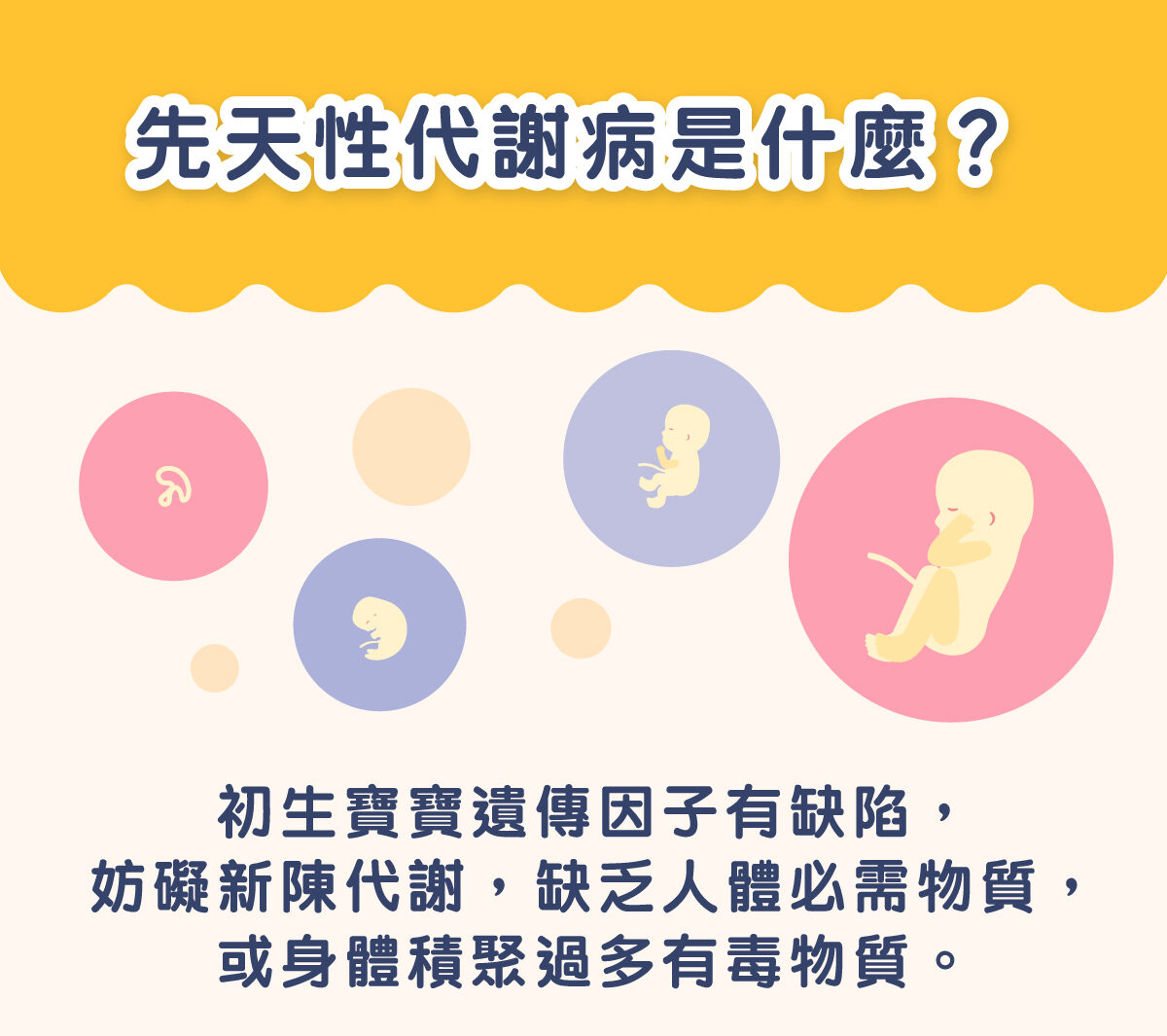
A small number of newborn babies (approximately one in four thousand) may suffer from "inborn errors of metabolism". Metabolic diseases are caused by genetic defects, leading to a lack of certain enzymes, which interfere with metabolism. This can include a deficiency of essential substances or the accumulation of toxic substances.
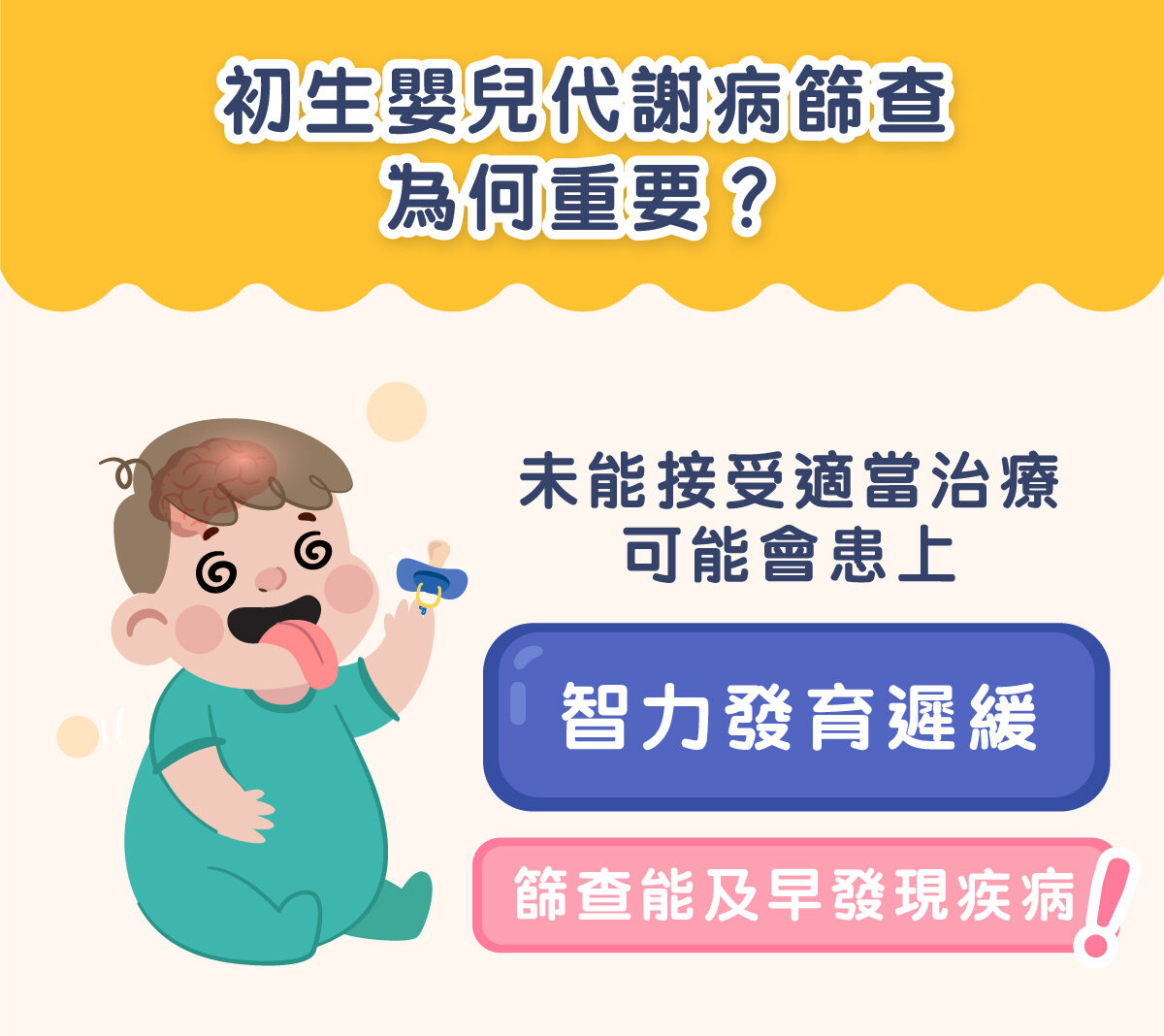
If these illnesses are not treated early, they can lead to serious consequences, including developmental problems during growth, learning difficulties, intellectual disabilities, and in severe cases, lifelong physical disabilities or even death.
Most newborns with illnesses show no obvious symptoms at birth, and these symptoms are often difficult to detect or are easily mistaken for other infant illnesses. These include poor appetite, vomiting, muscle weakness, lethargy, developmental delays, and even seizures or sudden death. Early detection and treatment can prevent serious and long-term impacts on the infant's health and development.
Emergency home delivery service and newborn inpatient ward rounds service
The paediatrician specialising in Xuí'er will:
Inpatient rounds for newborns
To provide emergency on-call services for childbirth.
Has the expectant mother chosen a paediatrician for the baby?
You can inform the obstetrician in advance during your antenatal check-up.
Or inform the maternity ward nurse upon admission registration
If parents wish to choose their own paediatrician to examine their newborn baby at a private hospital after birth, they can contact Hiu-Yee Paediatric Medical Centre via WhatsApp in advance. 30015895 Contact.
Paediatric Emergency and Private Hospital Inpatient Arrangements
Hui'er's paediatric specialist offers paediatric emergency care and private hospital inpatient arrangements.
The list of clinics includes:

The list of clinics includes:
- Tsuen Wan Adventist Hospital
- Baptist Hospital
- St. Teresa's Hospital
- The Chinese University of Hong Kong Medical Centre
- Yan Oi Hospital
- Evangelical Protestant Church Hospital
- Precious Blood Hospital
- St Paul's Hospital
- Hong Kong Sanatorium & Hospital
- Canossa Hospital
- Ming De Hospital
- Gleneagles Hospital
- Hong Kong Adventist Hospital