Sleep apnoea is when your breathing repeatedly stops and starts during sleep.

Sleep apnoea is a sleep disorder where breathing stops during sleep, mainly divided into:
Obstructive: Soft tissues near the throat relax, causing an airway obstruction. This is the most common type.
(2) Central nervous system-related: The respiratory centre in the brain is traumatised, resulting in an inability to effectively transmit respiratory signals.
Snoring during sleep is quite common in children, with ten to fifteen out of every hundred children experiencing persistent snoring. However, one in every four children with persistent snoring suffers from paediatric sleep apnoea.
The main cause of the condition is obstruction of the upper airway during sleep, which prevents air from passing smoothly through the respiratory tract, leading to suffocation. It is commonly seen in children with enlarged tonsils, obesity, a small jaw, a short neck, and severe allergic rhinitis. Unlike adults, children with sleep apnoea do not typically exhibit significant daytime sleepiness. However, due to the impact on sleep quality, they often suffer from a lack of concentration, learning difficulties, and behavioural problems.
Snoring or abnormal breathing in children during sleep may indicate sleep apnoea. Most child patients develop it between the ages of 2 and 8, often characterised by snoring, mouth breathing, and even brief pauses in breathing during sleep, leading to difficulty achieving deep sleep.
Paediatric sleep apnoea can have significant or minor effects.
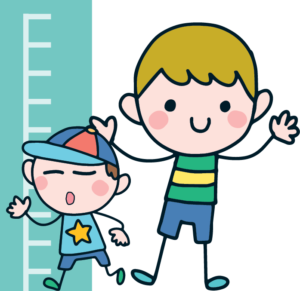
Growth height
Small build

Brain intelligence

Tired easily

The golden age of knowledge absorption

Emotional development
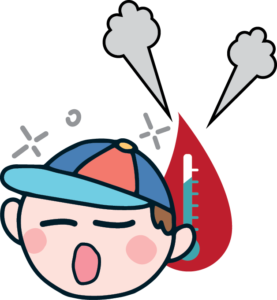
Leads to high blood pressure
Children with sleep apnoea differ from adults in that they do not typically experience excessive daytime sleepiness. However, due to impaired sleep quality, they often suffer from a lack of concentration, learning difficulties, and behavioural problems.
If you have concerns about your child's sleep issues, a sleep study (polysomnography) can be arranged to determine if they have sleep apnoea.
Symptoms of sleep apnoea in children

Recent clinical research has found that the proportion of children suffering from sleep apnoea is actually more serious than previously thought. Children with enlarged tonsils, adenoids, allergic rhinitis, and obesity are more susceptible to sleep apnoea.
Symptoms include:
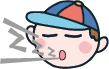
Snore

Sleep-related breathing pauses

Open your mouth and breathe
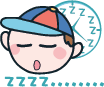
Bedwetting

Drowsiness and fatigue during the day

Reduced concentration and cognitive ability

Home Sleep Test Programme (Sleep Apnoea Test)
Beware, snoring in children while they sleep may be a symptom of sleep apnoea! One in four children with persistent snoring has sleep apnoea.
Parents, please be aware of the following symptoms in children during sleep:
- Snore
- Sleep-related breathing pauses
- Open your mouth and breathe
- Bedwetting
- Drowsiness and fatigue during the day
- Reduced concentration and cognitive ability
If parents suspect their child has sleep apnoea, they should consult a paediatrician as soon as possible and arrange for a sleep test promptly!
Sleep apnoeaTesting the "Polysomnography" (abbreviated as PSG) involves sleep monitoring to collect data such as brain waves, eye movements, muscle activity, blood oxygen levels, and snoring sound waves for diagnosis.
A polysomnography can accurately detect whether a child has sleep apnoea and the severity of their condition. The test uses multiple instruments to simultaneously monitor a child's brainwaves, airflow in the nose and mouth, and chest and abdominal movements during sleep.
Children of any age can undergo this test. The sleep technician will connect sensors to their head and body to record data such as brain waves, breathing, electrocardiogram, and blood oxygen saturation.During a child's sleep, sensors are connected to a computer to collect sleep data. The sleep test continues until around 7 am the following morning. Doctors will make a diagnosis based on the Apnoea-Hypopnoea Index (AHI). The test causes no harm to the body.
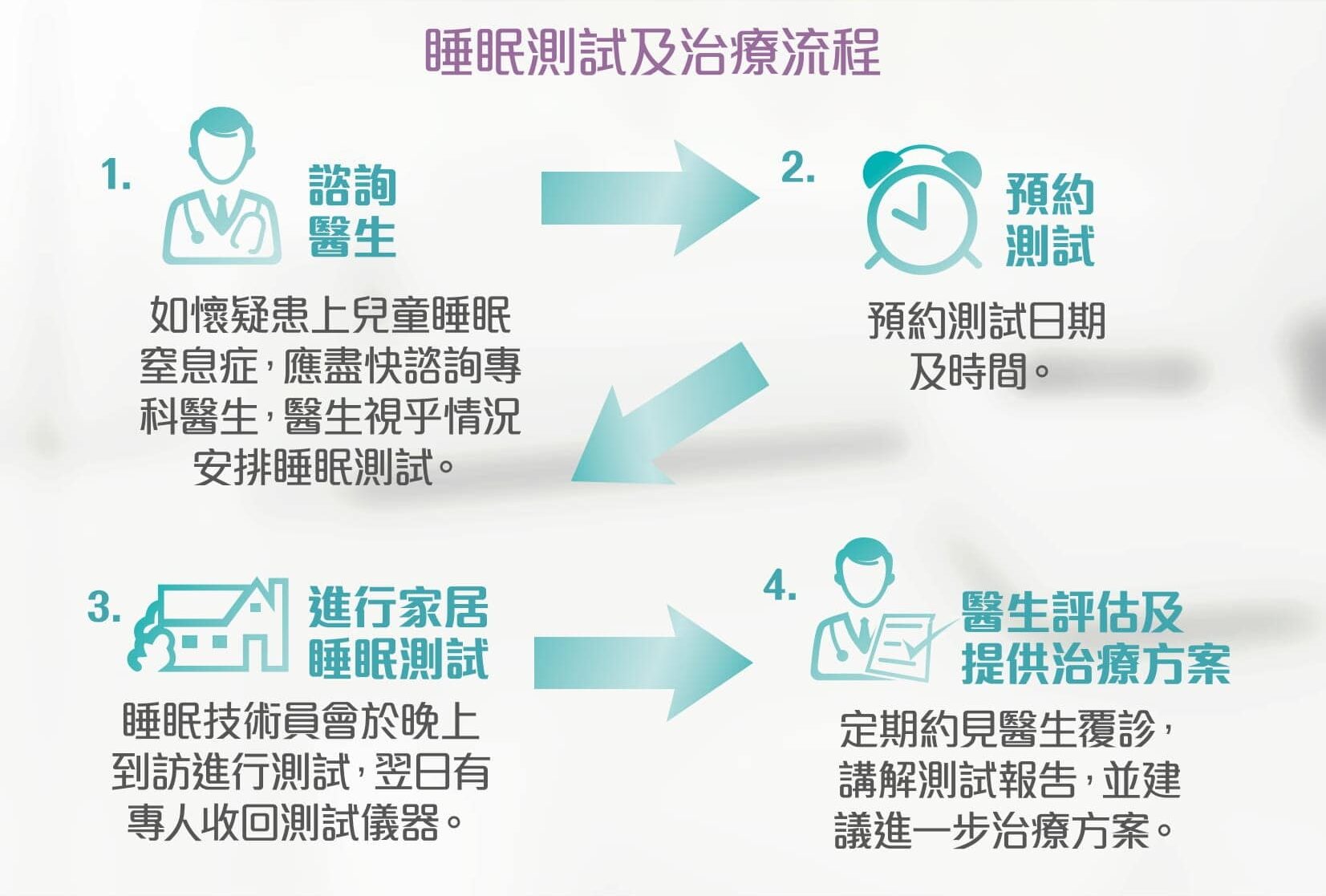
Home Sleep Test Programme
1. Book a doctor's consultation and schedule a test date
2. A sleep technician will visit at night to conduct tests.
The following morning, a specialist will collect the testing equipment.
4. After collecting sleep data, the doctor comprehensively analyses the sleep condition and makes a diagnosis based on the Apnea-Hypopnea Index (AHI).
5. During the follow-up appointment, the doctor explained the test results in detail and recommended further treatment options.
Children's Quality Sleep Plan (Paediatrician-Led)
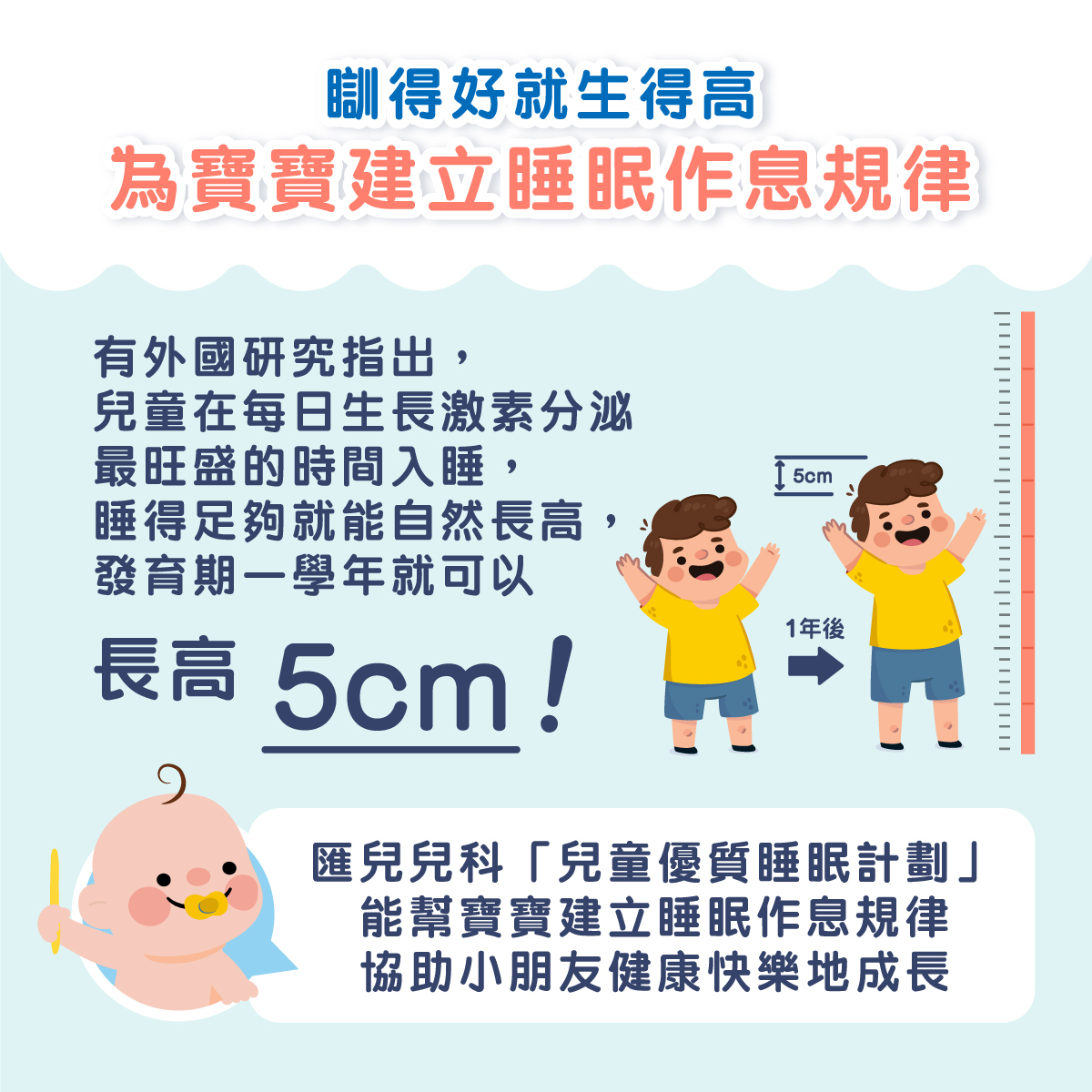
A baby sprite, relies on sleeping well! Why is sleep important for babies, infants, and children?
The sleep needs of infants and children vary at different ages and stages of development. Insufficient sleep or poor sleep quality can have negative consequences.
The benefits of quality sleep
Promote growth and development

Enhance a child's brain and intellectual development

Improving concentration and memory

Boost your child's immunity

Optimise emotional control
Children's Quality Sleep Plan
Paediatric specialists guide parents on improving their children's sleep hygiene habits for different age groups, in order to enhance nap duration and quality.
The plan includes 3 paediatric specialist consultations.