We use cookies to ensure you get the best experience on our website. If you continue to use this site, we will assume that you are happy with it.Privacy Policy Statement
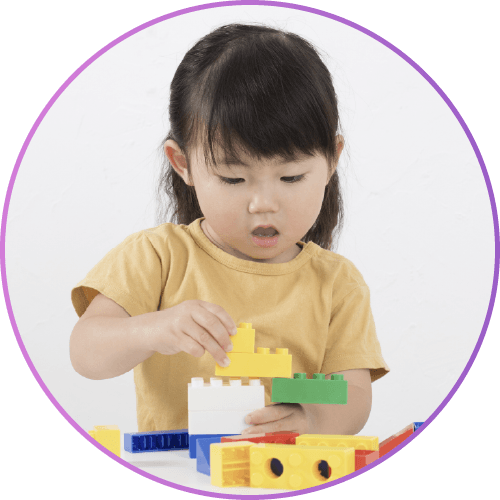
Vision is an indispensable part of a child's development and discovery of knowledge. Our visual system develops from blurry black and white images at birth to full vision by the age of eight. If visual function is affected during this period, eye diseases may occur and cause irreversible damage.
A study by the Hong Kong Polytechnic University has found that 61.5% of 12-year-olds suffer from short-sightedness,
and vision problems may hinder their development in social activities and academic performance.Furthermore, some eye conditions, such as amblyopia, do not present with obvious outward symptoms, and children may not realise they have a vision problem. Without regular eye examinations, such issues may go undiagnosed for months or even years. Therefore, early detection can help prevent and alleviate eye problems.In fact, vision problems are much easier to treat whilst a child’s eyesight is still developing (up to the age of 7 or 8).
Early signs of childhood vision problems
My head hurts.
Frequently blinking or rubbing eyes
Tilting the head or squinting
to allow oneself to see things
When reading or watching electronic screens
Cover one eye
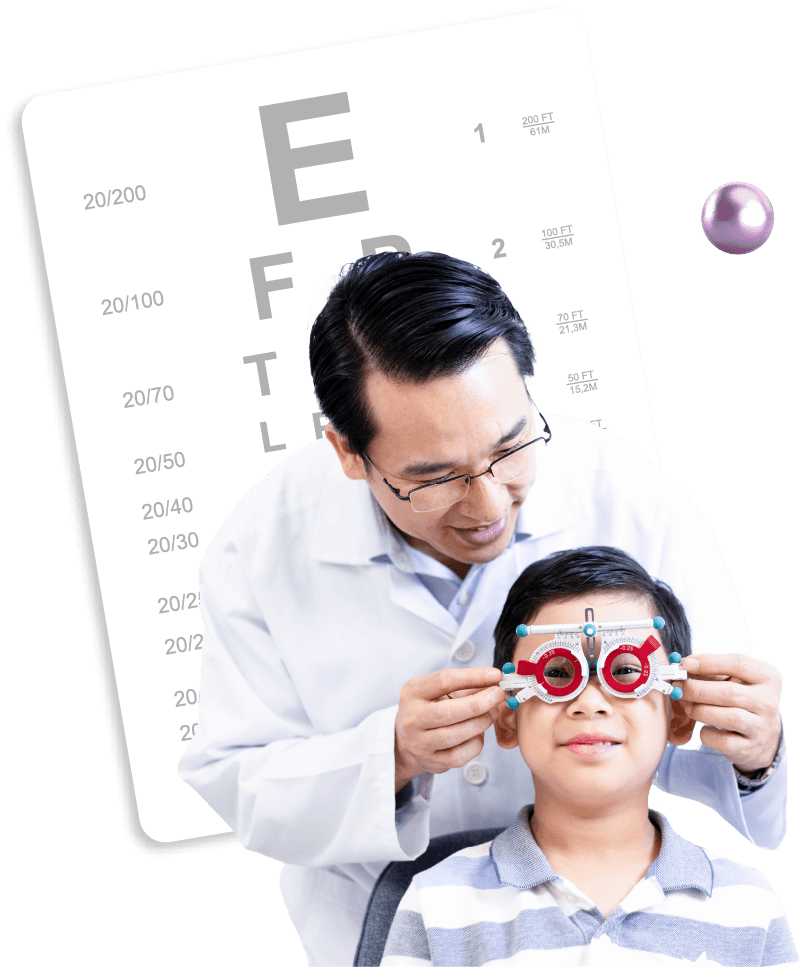
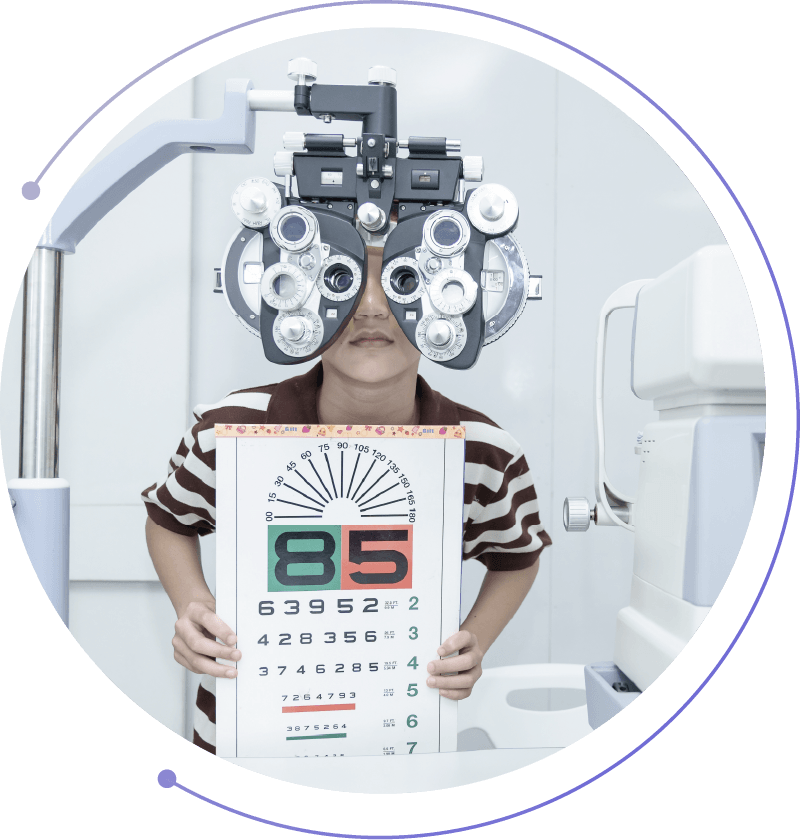
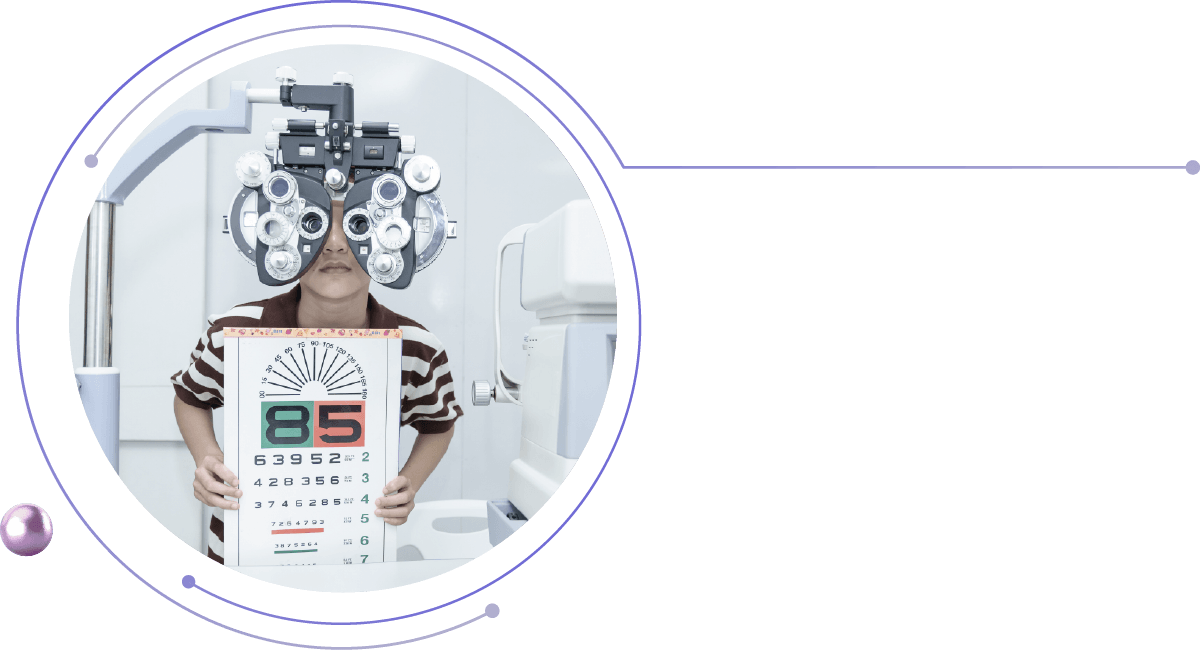
The comprehensive eye examination plan for children at Hui'er Ophthalmology can detect refractive errors in youngsters, such as myopia and hyperopia, as well as identify eye problems like astigmatism, strabismus, and amblyopia. Through these examinations, children's eye conditions can be discovered early, capitalising on the golden period for treatment.
Children's Comprehensive Eye Examination Scheme (Aged 3 and above) includes:
Eye test
Refraction
(Short sight, long sight and astigmatism measurement check)
Children should have a comprehensive vision check-up every six months to ensure normal visual development and to detect or monitor any eye conditions. Good eyesight is crucial for their learning and overall development. Regular eye examinations can help detect eye problems early, allowing for timely treatment during the optimal window.