
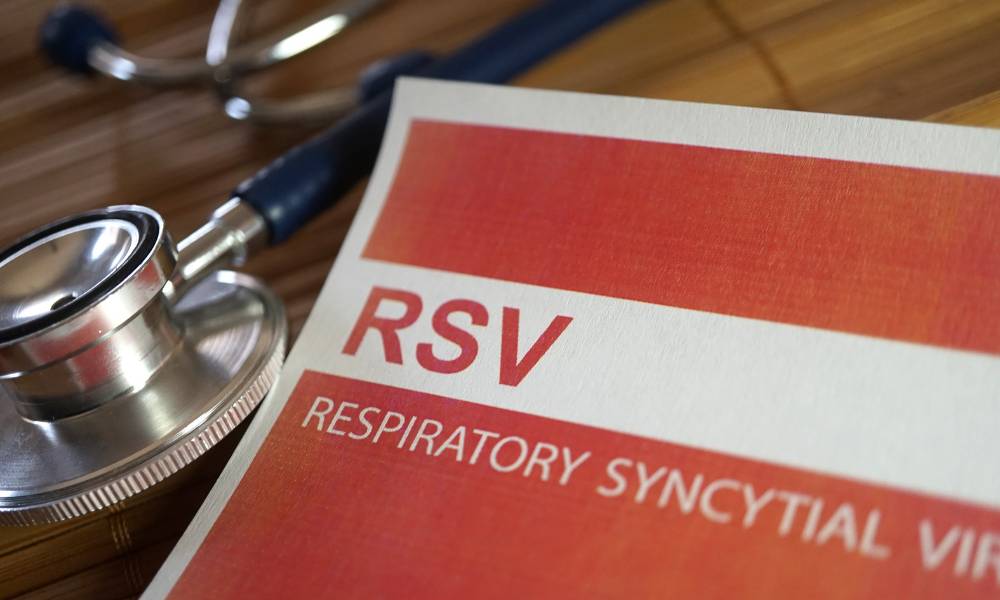
Although Hong Kong's temperature fluctuates between cold and hot, paediatric wards remain in a state of "high heat". As a paediatrician, the most worrying sound is not the loud crying of babies, but the faint, rapid wheezing sound in the consultation room – this is often a warning sign of respiratory syncytial virus (RSV) infection.

Following the surge in RSV cases in 2023 and 2025, many parents have become more vigilant. But for new parents, how can they find the strongest protective net between "natural immunity" and "medical technology"? Here's a breakdown of the latest information for you.
The unique threat of RSV to infants
RSV is a very common respiratory virus that, for adults and older children, mostly causes mild symptoms like a runny nose, blocked nose, and cough, much like a common cold. However, for infants under one year old, especially those under six months, RSV poses a potentially fatal risk and can become a "trachea killer".
Imagine the trachea is like a thicker water pipe, where a small amount of phlegm won't easily cause a blockage. However, an infant's trachea is as narrow as a pencil tip. Once stimulated by RSV, causing inflammation, swelling, and a large secretion of mucus, it can easily become blocked. This leads to wheezing, difficulty breathing, and even oxygen deprivation requiring hospitalisation for oxygen therapy. This is precisely why RSV results in a much higher rate of severe illness in infants and young children compared to other viruses.

The hidden concern of the antibody 'window period' in babies
In the past, protection against RSV in Hong Kong primarily relied on hygiene and personal care, or on pregnant women getting vaccinated to pass antibodies to their unborn babies via the placenta. This was the first line of defence that could be established for babies. However, medical evidence shows that these maternal antibodies wane over time, reaching their lowest levels by the time a baby is six months old, creating an "antibody gap". Furthermore, the RSV virus is cunning, causing repeated infections in adults without building high and lasting immunity, meaning mothers may not be able to provide sufficient protection. Relying solely on placental or breast milk protection makes it difficult to fully withstand the onslaught during peak periods, especially for babies born when the virus is active, who face higher risks.

Medical breakthrough: Preventive antibodies like a "ready-to-wear bulletproof vest"
Previously, RSV could only be treated after illness, with no effective way to protect healthy newborns and a lack of targeted preventive measures. However, prophylactic antibodies bring about a change: a single injection means there's no need to wait for the baby to develop its own immune response. They instantly possess antibodies, like a "bulletproof vest" for the baby, protecting infants through their most vulnerable period and perfectly covering the RSV season.

This is not a vaccine (vaccines require the baby to produce their own antibodies); instead, it directly provides mature antibodies, which is particularly suitable for newborns with immature immune systems. European and American countries have incorporated this preventive method into their national child immunisation programmes. These countries have observed a significant reduction in infant hospital admissions due to RSV, as well as the need for intensive care unit support and outpatient appointments, after the inclusion of prophylactic antibody injections. This is the most direct and effective method of passive immunity.
Pregnant women's vaccines vs. infant prophylactic antibodies
Here is the comparison that parents are most concerned about:
| Comparison items | Pregnant women receiving the RSV vaccine | Infant prophylactic antibody injection |
| Object | Expectant mothers at 32-36 weeks pregnant | Infants aged 0-1 and 1-2 years are still at risk of severe RSV |
| Principle | Mothers produce antibodies, which are passed to their babies through the placenta. | Injecting antibodies directly into the baby's body |
| Effective date | Babies are born with antibodies (depending on the efficiency of placental transfer) | Effective immediately after injection, without relying on the baby's immune system. |
| Advantages | Protecting your baby on their first day of life | Accurate dosage, ensuring each baby receives sufficient antibodies; does not rely on the baby's immune system. |
| Suitable persons | Suitable for mothers who wish to complete preventative measures during pregnancy | Suitable for all newborn babies, especially premature babies, or when the mother has not been vaccinated. |
Doctor's message: Prevention is always better than cure.
RSV doesn't just affect frail infants; it's a virus almost all children encounter before the age of two. There is now a preventative antibody treatment that can significantly reduce the risk of severe illness and hospitalisation. By including it in their baby's vaccination plan, parents can build a stronger, science-based defence for their child.
A baby's healthy growth is the top priority for new parents, and every breath the baby takes is a cause for concern. Adding a "scientific shield" to natural protection may be the best gift you can give your baby.
Resource source:
https://www.sundaykiss.com/2396250