Parents may pay less attention to "RSV (Respiratory Syncytial Virus)" but it turns out that RSV infection can cause respiratory illnesses. In severe cases, it can even lead to lung infections in children under one year old. This time, paediatric specialist Dr. Lam Ka-yi will explain the causes and prevention methods. Parents should really not overlook it!
Is RSV more dangerous to infants under one year old than COVID-19?
Respiratory syncytial virus (RSV) is a single-stranded RNA virus that can cause respiratory illnesses, such as infections of the trachea and lungs, and otitis media. In Hong Kong, although the peak season is from March to August, RSV infections occur year-round. RSV is the most common cause of bronchiolitis and pneumonia in infants under one year old. Premature babies, and children with congenital respiratory diseases or heart conditions, are also at higher risk of complications or severe infections.
The novel coronavirus and RSV virus can both lead to severe complications such as bronchitis and pneumonia. In some severe cases of RSV infection, patients require admission to the intensive care unit and mechanical ventilation. Fortunately, following treatment, the young child did not develop any sequelae and was able to be discharged smoothly. Therefore, early and appropriate treatment is very important.
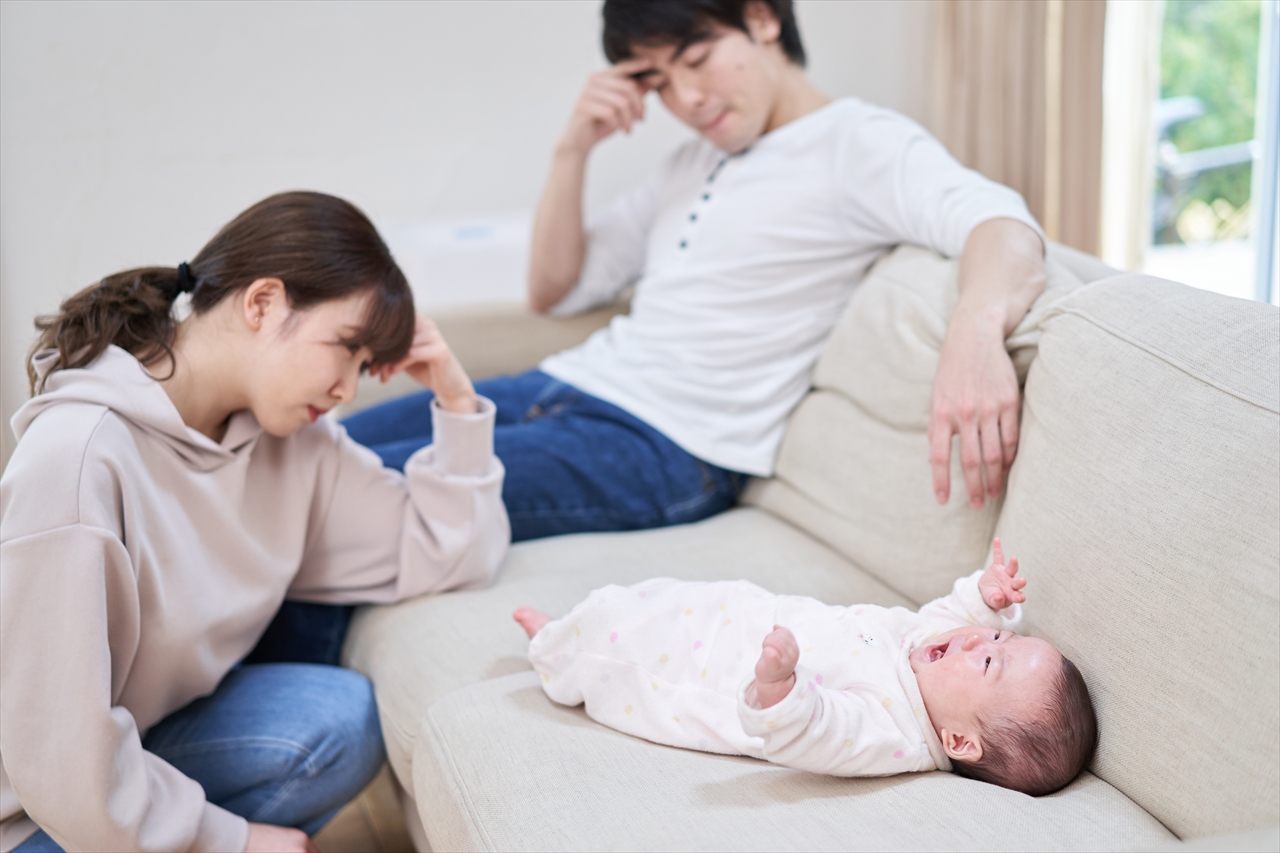
The symptoms of RSV infection are:
Patients experience fever and other symptoms such as: runny nose, cough, headache, loss of appetite, body aches or weakness, and occasionally middle ear infections. Young children are at a higher risk of developing bronchitis and may experience wheezing symptoms. This infection usually clears up within 1-2 weeks. Most patients have mild symptoms and can be treated with supportive care; if more severe symptoms like wheezing occur, parents should seek medical attention immediately!
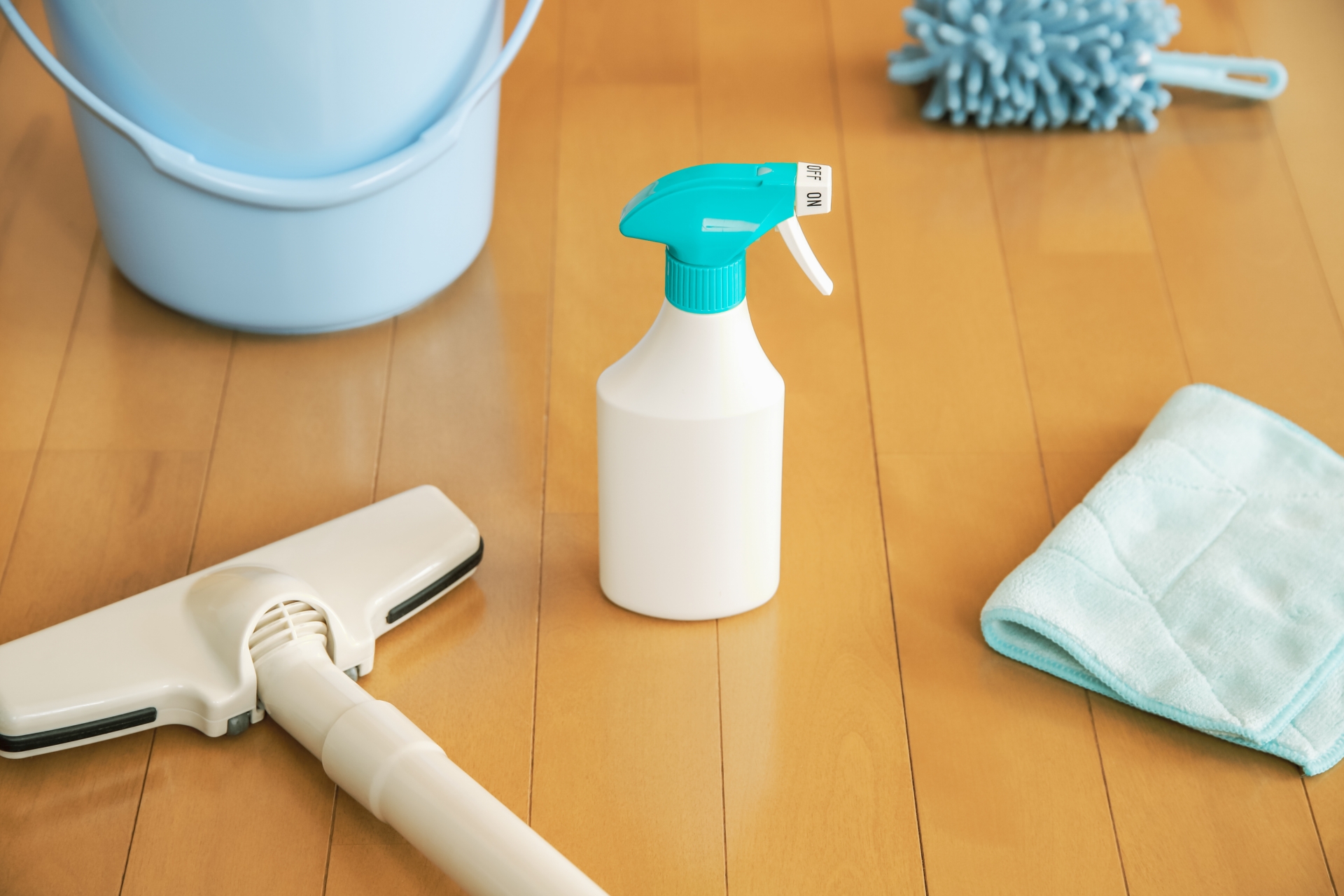
Are household cleaning and disinfection infecting children too?
This virus can be spread through direct contact with a patient's secretions or droplets, or indirectly through contaminated hands, eating utensils, or by touching objects that have recently come into contact with a patient's nasal or throat secretions. Even if the home is regularly cleaned and disinfected, children and family members still go out, for example, to school or work, so there is still a chance of RSV transmission through contact.
As there is currently no vaccine to prevent RSV infection, maintaining good personal hygiene, especially frequent hand washing before touching your mouth, nose or eyes, is particularly important. Additionally, good environmental hygiene should be maintained by regularly cleaning and disinfecting frequently touched furniture, toys and shared items with a 1:99 diluted household bleach solution. During peak infection periods, the use of public play facilities should also be reduced.
When symptoms of a respiratory infection appear, patients should wear a surgical mask. Maintaining a balanced diet, regular exercise, and adequate rest, though seemingly cliché, are key to staying healthy. Patients should also avoid contact with children, the elderly, or those with weakened immunity. Furthermore, although public awareness of personal hygiene has increased and masks are worn daily, the RSV virus will not disappear because of this, so parents must not be complacent.
(The above article was shared by Paediatric Specialist Dr. Lam Ka Yee)