

Children are full of energy in the evenings but sleepy in the mornings, sometimes even having trouble falling asleep or waking up early. Various sleep problems in children not only trouble parents but also affect their learning ability and even lower their immunity. Lack of quality sleep can lead to many health issues, so the problem must be taken seriously.
How much sleep should a child get per day?
According to the US National Sleep Foundation, adults need 8 hours of continuous sleep per day, while infants under 1 year old need 14–15 hours; toddlers aged 1–2 years need 11–14 hours; children aged 3–5 years need 10–13 hours; and children aged 6–13 years need 9–11 hours.
Children with poor sleep quality might experience: * Irritability and mood swings * Difficulty concentrating and learning * Behavioural problems, such as hyperactivity or aggression * Weakened immune system, leading to more frequent illnesses * Slower growth and development * Increased risk of obesity
Research findings from the Faculty of Medicine at the University of Hong Kong indicate that 88.6% of the K3 kindergarten pupils surveyed were sleep-deprived, and their cognitive development and social behaviour were significantly poorer.When these nursery school pupils progressed to Year 3 of primary school, those in the group sleeping 8 hours or less scored 18% lower in mathematics than those who had adequate sleep, and were more likely to exhibit behavioural problems andHyperactive symptomsThis clearly shows that a lack of sleep can seriously affect brain development and learning ability.
Numerous studies have already indicated that brain activity during sleep is a crucial stage for consolidating learning. While the body appears to be resting during sleep, the brain is actually digesting and absorbing information from the day, then linking it to long-term memory. Therefore, sufficient sleep is beneficial for brain health and improving learning efficiency in both adults and children.
Besides a decline in learning ability and social behaviour, poor sleep quality can also lead to children being unable to concentrate, a decline in memory, impaired judgment, irritability, and aggressive behaviour. Simultaneously, due to the body lacking sufficient recovery time, children's metabolism deteriorates, appetite and resistance decrease, making them prone to illness, and they may even experience emotional problems such as sleepwalking, night terrors, and even depression. If physical and mental problems occur during their golden developmental period, they could severely impact them for life.
Reasons why children sleep badly
There are many reasons why children may have poor sleep quality, including:
Stress: Excessive worry and stress can lead to insomnia.
Side effects of medication: for example, medications used to treat ADHD.
Minor ailments: for example, sensitive nose.
Environmental factors: nearby noise, ambient temperature being too hot or too cold, too much or too little light, mattress comfort, etc.
Nightmares: Children have nightmares when they see or hear scary things during the day, which disrupts their sleep.
Nocturnal enuresis: Children need time to control their bladders, and sometimes worry about nocturnal enuresis or fear being scolded by their parents, which can lead to poor sleep.
Night terrors: A common problem in children aged 18 months to 5 years, characterised by sudden waking in the middle of the night, crying and screaming.
Sleep apnoea: Loud snoring during sleep, sudden pauses in breathing during sleep, etc.
How to get children to sleep normally?
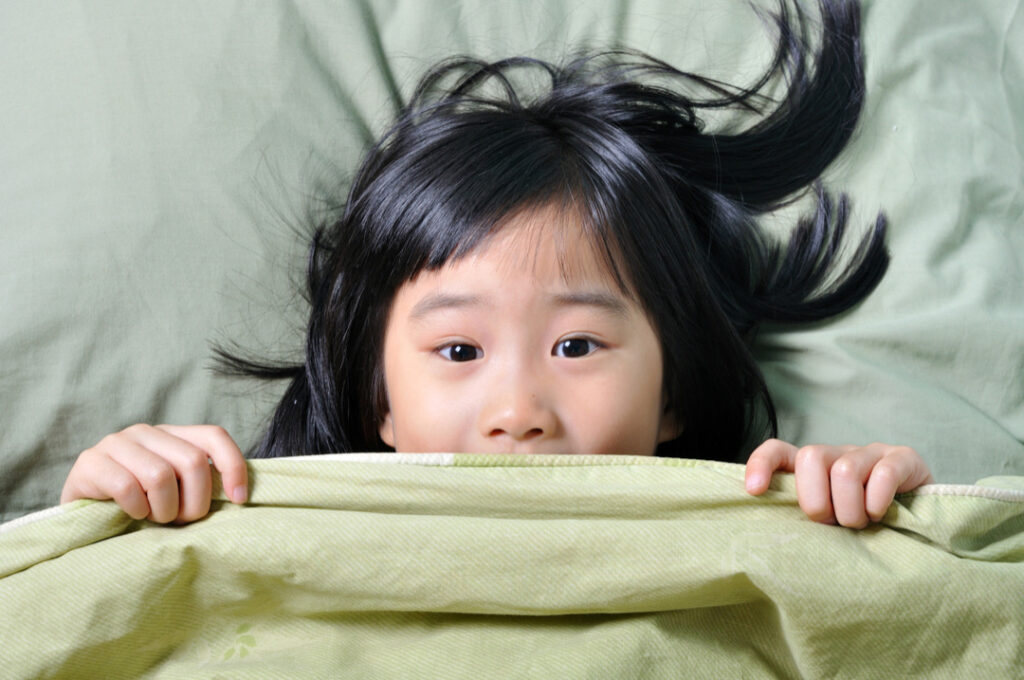
Parents should create a comfortable sleeping environment for children to help them feel safe and secure. For example, children who are afraid of the dark could use a night light; remove ticking clocks; and use a fan or air conditioning to keep the air circulating.
Additionally, avoid caffeine-containing foods such as chocolate and cola in the four to six hours before bedtime. Avoid strenuous activity before sleep to prevent children from becoming over-excited. If you observe a child snoring or experiencing pauses in breathing during sleep, they may have sleep apnoea. It is recommended to consult a paediatrician as soon as possible for a sleep study to maximise the window for treatment.
REF: