
▲ Paediatrician Dr. Tsui Tsz- Kwan explains "Precocious pubertyUnderlying pathological factors.
The onset of precocious puberty in children could be a warning sign. Hong Kong paediatrician Dr. Tsui Tsz-kwan, in an interview, mentioned a case where parents brought their son, who was just over 5 years old, for medical attention. The boy showed clear signs of development, such as his voice breaking and the growth of body hair. Upon examination, it was discovered that he had a brain tumour. Dr. Tsui advises that if girls develop breasts before the age of 8, or if boys experience testicular enlargement and a deepening of their voice before the age of 9, they should seek medical advice as soon as possible to find the cause.
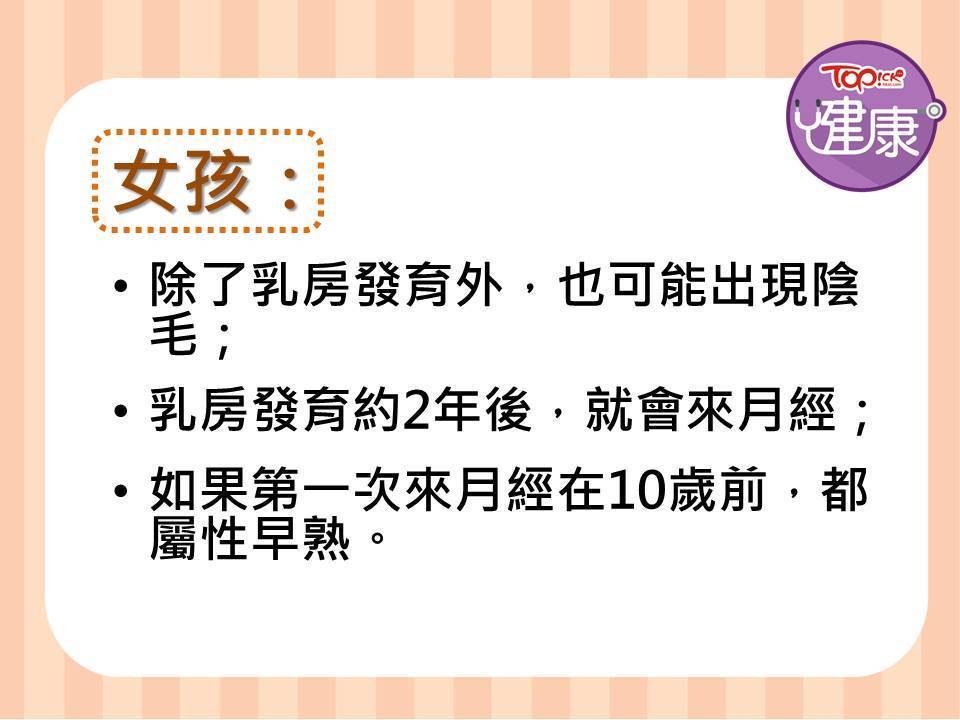
Children's development varies, but normal puberty for boys typically occurs between the ages of 9 and 14, and for girls between 8 and 13. If secondary sexual characteristics develop before this age range, it is potentially precocious puberty.
Signs of development:



Dr. Xu Zijun stated that precocious puberty does not have immediate side effects and is not life-threatening. Although past studies have indicated that precocious puberty in children increases the probability of developing breast cancer, gynaecological diseases, and uterine hyperplasia later in life, cancers and women's diseases are common and may not necessarily be related to precocious puberty.
Precocious puberty occurs at age 7 or 8, and by the time gynaecological problems develop, the individual may be in their 20s or 30s. There's always a time lag, and many factors can emerge over more than 10 years, making the body prone to this type of disease.
Despite this, Dr. Xu still recommends seeking medical advice early if a child experiences precocious puberty. The main reasons fall into three categories:
The first is to see if there isPathological causesCould it be a tumour or due to external factors?
Additionally, precocious puberty can alsoAffecting a child's height developmentWhen entering puberty, growth hormones cause the bone growth plates to accelerate growth. At the same time, hormones also cause bones, cartilage plates, and growth plates to calcify and close prematurely. Once the growth plates close, a child's height will "set", so once puberty ends, no matter what method is used, children cannot grow taller.
As for the third reason, it isMental health factorsDr. Xu stated that children enjoy comparing themselves to others at both primary and secondary school levels. They often perceive differences in their physique compared to their peers, which can lead to emotional changes, anxiety, and stress. Therefore, parents should pay close attention and not overlook these issues.
Precocious puberty can be a sign of a tumour.
Dr Xu shared that a boy, just over 5 years old, was brought to him by his mother because he was not moving well on one side of his body. After a full physical examination, it was discovered that the boy's voice sounded like that of an "old ox," he had pubic hair, and even his penis and testicles showed signs of enlargement. Dr Xu found this suspicious. In addition to drawing blood, he also arranged for imaging. Upon scanning his brain, it was discovered that the boy had a tumour in his brain.
Dr. Xu said that to determine whether precocious puberty is present,The most common tests are blood tests and X-rays to check bone age. Girls may also have a pelvic ultrasound. If a brain tumour is suspected, imaging scans of the child's brain will be arranged.:
If a girl develops breasts before the age of 8, or a boy experiences testicle enlargement and voice deepening before the age of 9, it is recommended to seek medical advice as soon as possible. While these situations can sometimes be normal, there are also many cases where there is an underlying cause. Therefore, it is important to identify and treat it early.
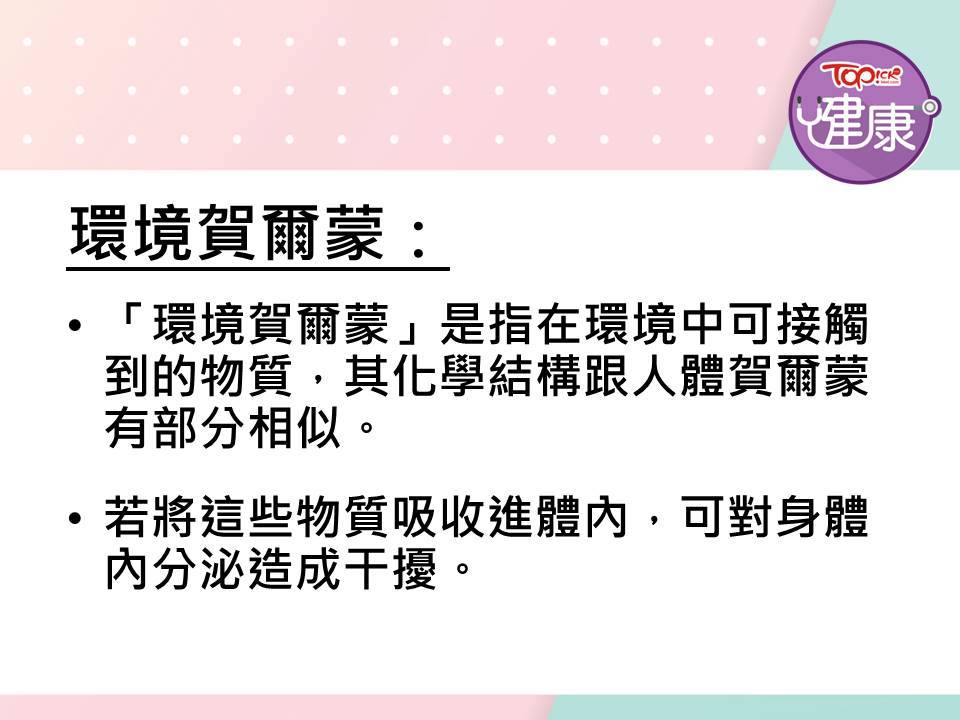
There are many causes of precocious puberty, including primary precocious puberty with no apparent cause. Sometimes, paying attention to environmental factors around the patient may improve the situation. However, if precocious puberty occurs due to peripheral organs releasing androgens or oestrogens, as well as cortisol, for unknown reasons, then it is necessary to look for underlying pathological factors:
The underlying cause of precocious puberty must first be identified. If it is a tumour, precocious puberty is merely a symptom of the tumour. We must address the tumour first, and the developmental issues of precocious puberty will be resolved.
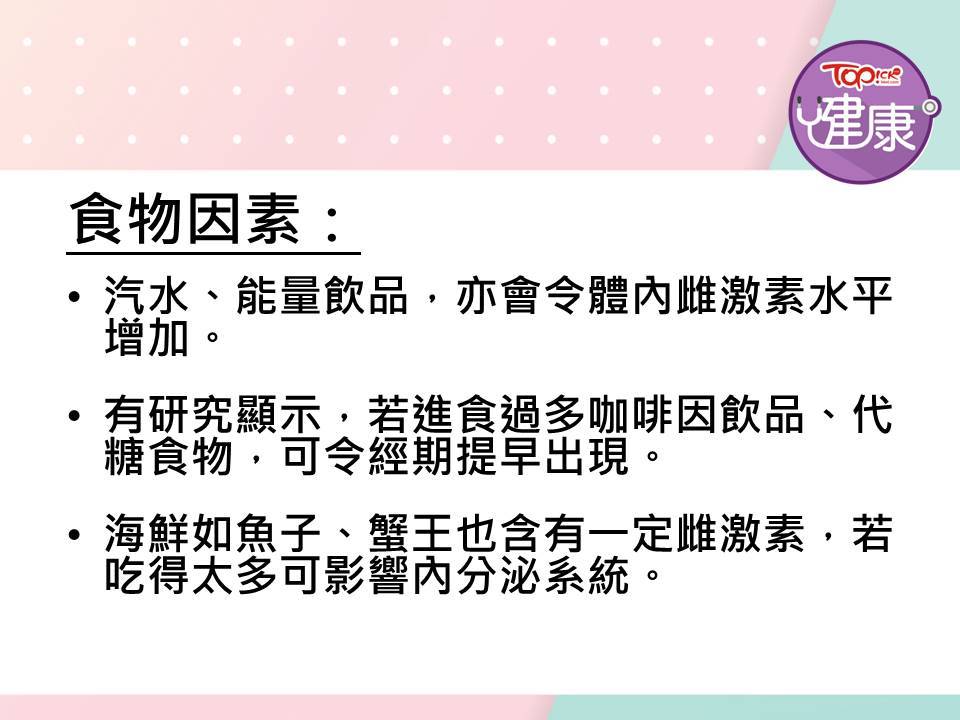
Apart from pathological factors such as cysts or tumours, other triggers can lead to precocious puberty: