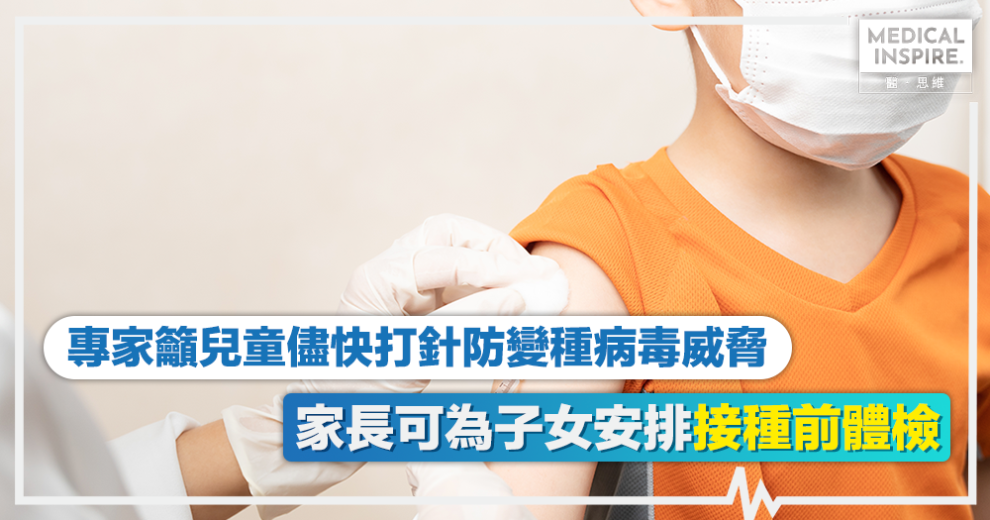
The fifth wave of the epidemic in Hong Kong is severe, with daily new confirmed cases reaching record highs. Among these are a considerable number of child patients, and tragically, some have passed away from the infection, raising concerns about the impact of the novel coronavirus on children. As children's bodies are more fragile and their immunity weaker than adults', contracting the virus could have serious consequences.
Children vaccinated with two doses of CoronaVac have antibody levels similar to adults vaccinated with three doses.
Earlier, the government announced the expansion of the Covid-19 vaccination programme to children aged 3 to 11, enabling them to get vaccinated and protected as soon as possible.
Research by Professor Lau Yu-lung's team at the University of Hong Kong's Department of Paediatrics and Adolescent Medicine found that children aged 3 to 10 who received one dose of the Sinovac vaccine had higher neutralising antibody levels than adults who received two doses. Children who received two doses had antibody levels comparable to adults who received three doses. To date, no serious adverse reactions have been reported, indicating that vaccinating children is effective in preventing COVID-19, reducing severe illness and mortality rates, with a clinical protection rate that is even higher than in adults.
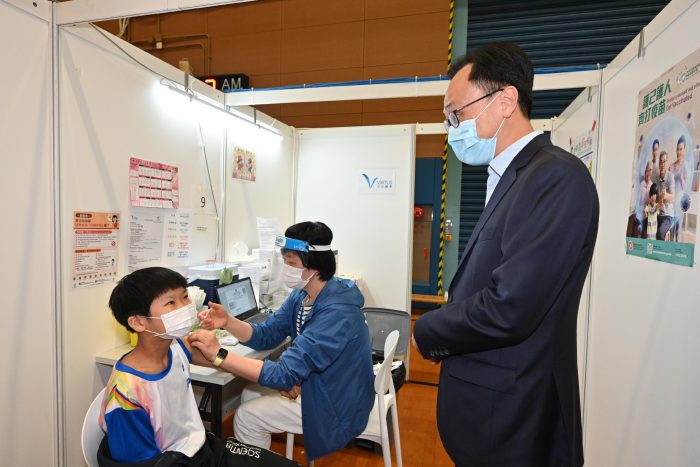
Common side effects of vaccination
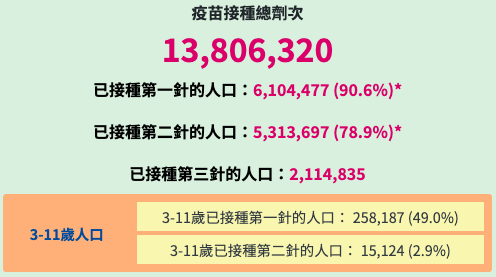
Currently, about 50% of children aged 3 to 11 years have received their first dose. However, many parents are still concerned about potential side effects after their children are vaccinated. Common side effects of vaccination include redness and pain at the injection site, fever, and fatigue. Most of these mild side effects gradually disappear after 48 hours, with only a very small number of people experiencing allergic reactions to vaccines. If parents are still worried about the effects after vaccination, they can take their children for a physical examination beforehand. This will help parents understand their child's physical condition before deciding whether to proceed with vaccination.
Children can have a check-up before getting vaccinated.
Currently, many medical centres offer comprehensive check-ups to assess whether children are suitable for vaccination, in order to understand the recipient's health condition before receiving the jab. Primecare Paediatric Medical Centre, for instance, providesPaediatric COVID-19 vaccination pre-examination and vaccination to help parents first understand the child's physical condition, before deciding whether to proceed with vaccination, the examination items include:
Height & Weight Assessment
Complete Blood Count (CBC) 血液常規檢查
✔Renal Function Test 腎功能檢查
✔ Liver Function Test 肝功能檢查
✔Calcium (Ca) 鈣
✔Glucose (Random) Blood Glucose
Urine Routine / Urinalysis 尿液常規
✔Resting ECG
The plan includes a pre-consultation with a paediatric specialist and explanation of the report!

If a child is feeling unwell, they should wait one to two weeks after recovering before getting vaccinated. In addition, if a child has previously had a severe allergic reaction to a vaccine, such as anaphylaxis, angioedema, or difficulty breathing, or if they have a genetic disorder,Child vaccinationsYou should consult a doctor first.

Source:Vaccination programme website,Primecare Children's Medical Centre
Text by Medical Inspire 醫·思維