Important notes for visiting relatives and travelling during the Lunar New Year! The Mainland Centre for Disease Control and Prevention recently released the "Influenza Surveillance Weekly Report," which mentioned a sharp increase in infections of "human metapneumovirus" (hMPV for short). Among the confirmed cases, those aged 14 and under were the most numerous. In response, mainland doctors pointed out that there are no specific drugs or vaccines available in the medical community to combat this virus. Therefore, they advise everyone to avoid taking medication indiscriminately and to be vigilant about their physical condition and signs of infection at all times. As there is currently no vaccine to prevent human metapneumovirus, it is truly "impossible to guard against." How can everyone identify the symptoms, and how can they be treated after infection? Dr. Chan Yan Wing, a paediatrician, will explain in detail below.

Causes of human metapneumovirus infection
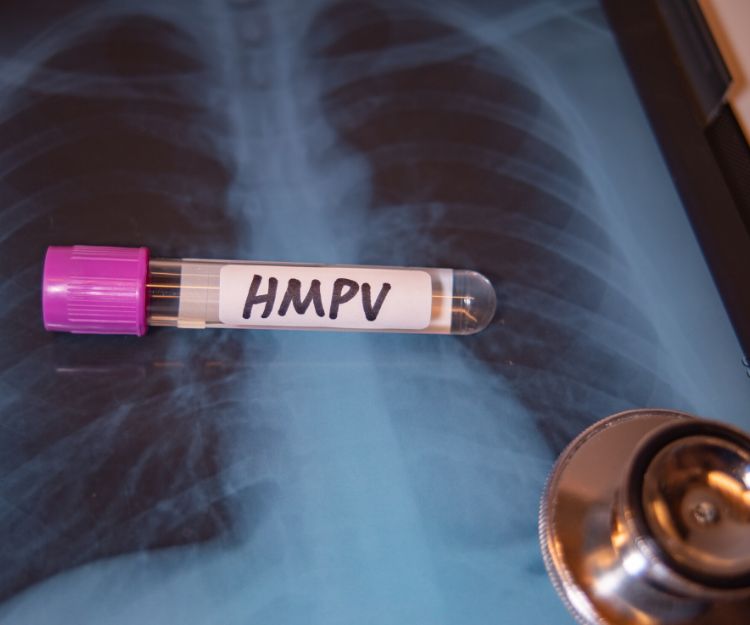
Human metapneumovirus is a common respiratory virus that spreads through droplets, coughing and sneezing, mainly affecting the upper respiratory tract. This virus is more prevalent in young children, although adults, the elderly, and immunocompromised individuals are also susceptible to infection. The main parts of the body affected by human metapneumovirus include the respiratory system, middle ear, gastrointestinal tract, and trachea. As young children are particularly prone to allergic reactions, particular attention must be paid to the health and stability of the trachea, as hMPV can trigger allergic coughs, which can lead to respiratory problems such as asthma.
Human metapneumovirus infection
Symptoms of human metapneumovirus infection are varied, and may include fever, cough, runny nose, and difficulty breathing. Some young children may even experience ear infections, diarrhoea, vomiting, rash, and febrile seizures. These symptoms are similar to those of RSV, as both affect the airways in children, leading to problems such as asthma and wheezing. Human metapneumovirus infection can also cause bronchitis or pneumonia, similar to upper and lower respiratory tract infections caused by other viruses.

Change of season infection risk! Babies at high risk of contracting human metapneumovirus
Human metapneumovirus outbreaks typically occur from winter to spring, with increased infection risk, especially during periods of high humidity and significant climate change. The incubation period is generally between 3 to 6 days, and most patients recover within 7 to 10 days. However, the immune protection generated after infection is weak, and reinfection is possible, so young children and the elderly require particular attention.
All young children need to pay close attention to the risk of human metapneumovirus infection, especially infants. Infants like to put things in their mouths, and older children in schools or nurseries are at higher risk of infection due to not wearing masks and unhygienic contact.

Once relevant symptoms appear, parents should remain calm, seek medical attention as soon as possible, and ensure adequate fluid intake. As human metapneumovirus is a viral infection, there is no specific treatment, and antibiotics are ineffective. Doctors will prescribe appropriate medication to provide supportive care based on the child's symptoms and complications.
What can be done if there is no vaccine to prevent human metapneumovirus?

Currently, there is no vaccine to prevent human metapneumovirus. Parents should guide their children to maintain good personal hygiene, wash their hands frequently, avoid putting their hands in their mouths, and be cautious when handling masks. Furthermore, it is also important to promote the health of children's immune systems, ensuring they get enough rest and a balanced diet.
Source: shemom (3 January 2025): Human metapneumovirus (hMPV) is raging across the mainland. There are no vaccines or specific drugs, and even antibiotics are ineffective. What to do if you are infected?