
With the summer holidays and student exchange programmes underway, two students from a secondary school in mainland China recently died from meningococcal meningitis, causing concern among Hong Kong parents about their children contracting the dangerous bacteria while travelling north for exchanges. Doctors have pointed out that infection with meningococcal meningitis can lead to serious long-term effects and even harm children's brain development. They recommend that parents arrange for their children to be vaccinated against specific serotypes to enhance protection.
According to reports from mainland media, two students at a middle school in Xining City, Qinghai Province, were infected with meningococcal meningitis in June this year. Both students passed away after unsuccessful resuscitation, with only a few hours between the onset of symptoms and death. The school immediately implemented disinfection and strengthened infection control measures to prevent a large-scale outbreak. In fact, cases of meningococcal meningitis have been on the rise in mainland China in recent years, with numbers tripling in just a few years. Furthermore, meningococcal meningitis cases also frequently occur in popular overseas travel and study destinations such as Europe and North America. For example, the UK recorded 205 cases between 2021 and 2022, while Canada records approximately 200 cases annually. The situation should not be overlooked.
Delayed medical care may harm brain development
Dr Chen Xinyong, a paediatric specialist, pointed out that Neisseria meningitidis is very common; 10% of the population carry the bacterium in their nose and throat, and it is almost possible to become infected from ‘a single sneeze during a meal’. The bacteria are transmitted in a similar way to the flu or the common cold, via droplets produced by coughing or sneezing, or through direct contact with a patient’s respiratory secretions. Once infected, patients will develop symptoms such as high fever, severe headache and drowsiness,and there is a risk of long-term complications following recovery, such as damage to the nervous system, hearing and vision; if the brain is affected, it may lead to brain damage, developmental regression and learning difficulties.
Regarding these two cases, in which the patients’ conditions deteriorated rapidly and they died within just a few days, Dr Chen explained that the progression of meningococcal disease can be measured in hours; it can be fatal within as little as 24 hours, with a mortality rate as high as 10%, which is higher than that of COVID-19.If parents notice their children exhibiting the symptoms mentioned above, they should seek medical attention as soon as possible. Generally, treatment involves intravenous antibiotics to ensure the bacteria are completely eradicated, and those who have been in close contact with the patient must also undergo medical monitoring to detect early symptoms.
Protective model, entirely most important
Dr Chan believes that the most effective way to prevent meningococcal infection is to get vaccinated with the targeted vaccine as early as possible. Meningococcal bacteria themselves are divided into different serotypes, and in the case of Hong Kong, serotype B has been the largest cluster of infections in recent years. According to figures from the Centre for Health Protection, 31 cases of meningococcal infection were recorded in Hong Kong between 2018 and 20 October 2023, of which serotype B accounted for 16 cases, reflecting that serotype B has become the predominant serotype in Hong Kong. Serotype B cases in some regions of mainland China and the UK have reached 60% and 90% respectively.
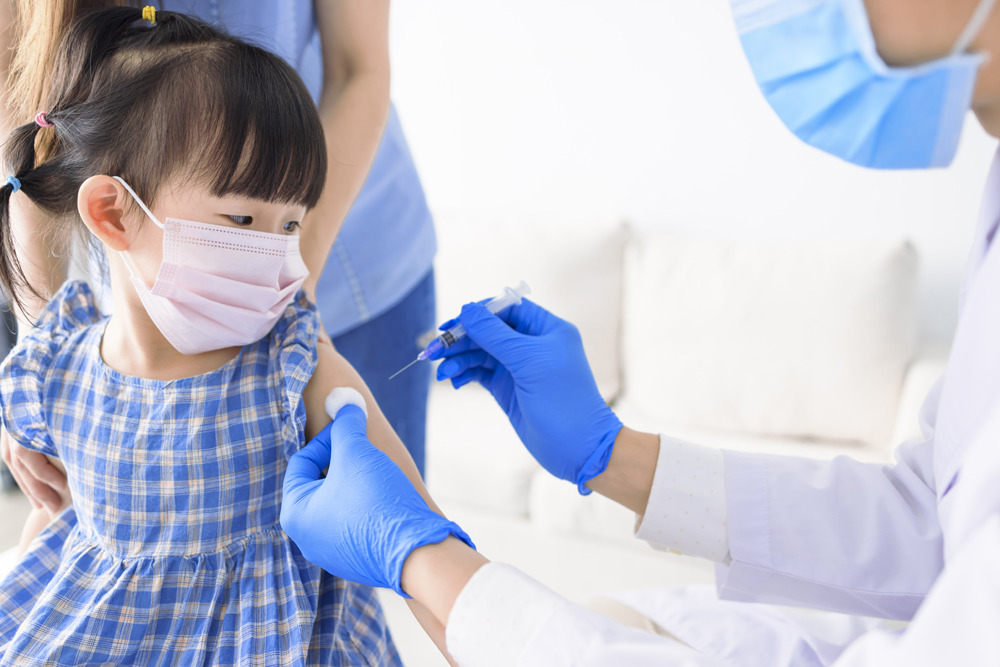
Meningococcal vaccines are available on the market, with one specifically targeting serotype B offering over 90% protection and requiring no booster doses after completion. Additionally, there is a quadrivalent vaccine for ACYW types available for vaccination in Hong Kong. Parents can choose the corresponding vaccine based on local circumstances or the serotypes prevalent at their destination to protect their children's health.
Regarding when to get vaccinated, the Department of Health guidelines suggest that if children need to travel or participate in educational tours, it is best to get the meningococcal vaccine no less than ten days before arrival at the destination. Dr. Chan explained that it takes some time after vaccination for antibodies to develop. While the vaccine may not prevent infection, it can reduce the risk of severe illness and complications after infection. He added that parents should also teach their children to keep their hands clean at all times, especially before and after touching their mouth, nose, or eyes, and to avoid casually touching public objects.