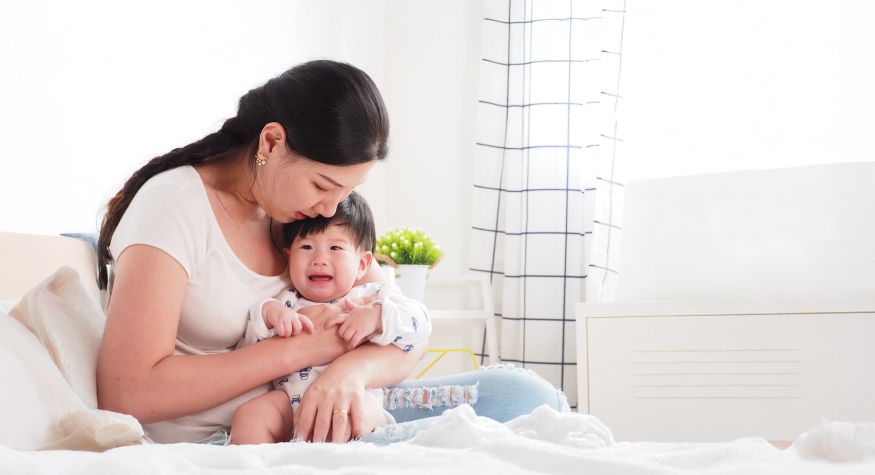
Recently, there have been several cases in Hong Kong of young children developing severe illness caused by Streptococcus pneumoniae. Paediatric specialist Dr Chen Xinyong will explain the symptoms, long-term effects and treatment options for pneumococcal disease.Pneumococcus, also known as ‘Streptococcus pneumoniae’, is a bacterium commonly found in the nose and throat of healthy individuals. It is one of the most common causes of respiratory infections and can lead to various illnesses.Fewer than 10% of adults are carriers of Streptococcus pneumoniae, but the proportion of carriers among children is significantly higher, with approximately 27–64% of children carrying this bacterium in their nasopharynx.
Pneumonia symptoms
When pneumococcus enters the lungs, it causes inflammation of the alveoli, leading to inflammation in the lungs, which is what we call "pneumonia". Besides causing pneumonia, pneumococcus is also common in "otitis media", as it attacks the ear and causes it. Pneumococcal bacteria can also lead to "invasive pneumococcal disease". When bacteria invade the brain, it can cause severe meningitis; when they enter the bloodstream, it can cause septicaemia, posing a threat to health and life. In clinical diagnosis, doctors usually perform lung X-rays for patients and can collect sputum, blood, and urine for testing to determine if there is a pneumococcal infection and to develop a corresponding treatment plan.
How do people get infected with pneumococcal bacteria? Is pneumococcal disease contagious?
Pneumococcal disease can occur year-round and is primarily spread from person to person through droplets produced by a patient's coughs and sneezes, or through close contact with an infected person. Additionally, touching items contaminated with this bacterium can also lead to transmission. Young children may become infected by rubbing their eyes after touching contaminated objects. Since the initial symptoms of pneumococcal disease and influenza are similar, often including high fever, cough, runny nose, and phlegm, many people confuse the two. However, invasive pneumococcal disease can cause a patient's condition to deteriorate rapidly within just a few days, leading to more severe illness. In one case, a four-year-old child presented with pneumococcal disease that had spread to their lungs, causing pneumonia. The next day, on a follow-up chest X-ray, the area of infection had significantly expanded, followed by fluid accumulation in the lungs, requiring immediate hospitalisation. Invasive pneumococcal disease is often aggressive and unexpected, capable of causing serious consequences. Therefore, vaccination to prevent this bacterium is very important, especially for children.
The typical symptoms of pneumococcal infection, age groups most affected, and risk factors are: **Symptoms:** Symptoms can vary depending on the site of infection. Common symptoms include: * **Pneumonia:** * Sudden onset of fever and chills * Cough (often producing greenish-yellow or rusty-coloured phlegm) * Shortness of breath or difficulty breathing * Chest pain, especially when breathing deeply or coughing * Rapid breathing * Fatigue or weakness * **Meningitis:** * Sudden high fever * Stiff neck * Severe headache * Sensitivity to light (photophobia) * Vomiting * Confusion or drowsiness * Rash (in some cases) * **Bacteraemia (blood infection):** * High fever * Chills * Rapid heart rate * Low blood pressure * Confusion or disorientation * **Ear Infections (Otitis Media):** * Ear pain * Fussiness or irritability (especially in infants) * Difficulty sleeping * Fluid draining from the ear * Fever **Age Groups Most Affected:** * **Very young children (under 2 years old):** Their immune systems are still developing, making them more vulnerable. * **Elderly people (65 years and older):** Their immune systems may be weaker due to age. **People at Higher Risk:** Certain individuals are at increased risk of developing pneumococcal infections and experiencing more severe illness. These include: * **Infants and young children**, especially those who are not vaccinated. * **Older adults**, particularly those with weakened immune systems. * **Individuals with chronic health conditions**, such as: * Heart disease * Lung disease (e.g., asthma, COPD) * Diabetes * Liver disease * Kidney disease * **People with weakened immune systems (immunocompromised)** due to: * HIV/AIDS * Cancer and cancer treatments (chemotherapy, radiation) * Organ or bone marrow transplants * Certain medications (e.g., steroids, immunosuppressants) * Lack of a spleen (asplenia) or a dysfunctional spleen * **Smokers:** Smoking damages the lungs and makes them more susceptible to infection. * **Individuals living in crowded conditions:** This can facilitate the spread of bacteria. * **People with a history of previous pneumococcal infection.** Vaccination is the most effective way to prevent pneumococcal disease.
Symptoms of illness include the high fever, cough, runny nose and phlegm mentioned above, and may also include chest pain, headache and difficulty breathing. High-risk groups include young children under 5 years of age, the elderly, and people with chronic illnesses, such as diabetics and some individuals with cochlear implants, as pneumococcal infections can easily cause otitis media.
Young children (under 5 years old) are particularly vulnerable to pneumococcal infections because they often have close contact with other children, especially in places like schools, daycares, and playgrounds. Furthermore, their immune systems are not fully developed, increasing their risk of infection.
Does pneumococcal pneumonia have long-term effects?
Pneumococcal pneumonia can lead to serious complications such as lung abscess, pericarditis, respiratory failure, and septicaemia. Furthermore, as children's immune systems are not fully developed, if they unfortunately contract pneumococcal pneumonia, inflammation can affect lung structure, reducing lung function and potentially increasing the risk of developing asthma later in life. There was also a serious case of suspected invasive pneumococcal disease that led to meningitis, where a five-year-old child required a cerebrospinal fluid test to confirm the condition. Normally, cerebrospinal fluid should be clear, but during the examination, it was found to be purulent, and the child was immediately transferred to the intensive care unit. This was a relatively serious case, and fortunately, the child recovered successfully, which can be considered a blessing in disguise. However, if meningitis is contracted, the sequelae can be very severe, as the child's brain is still developing, and the illness can cause permanent brain damage, affecting intelligence and cognitive function, and may also lead to epilepsy.
What is the incidence of invasive pneumococcal disease in Hong Kong?
As of April this year, the Department of Health has recorded 82 cases of invasive pneumococcal disease, with 16 of those infected being children under 18. Hong Kong has also recently seen a more serious case of invasive pneumococcal disease, where a young girl was hospitalised in a children's hospital due to sepsis caused by *Streptococcus pneumoniae*. During her treatment, she required an "artificial lung" to sustain her life, and one of her lungs had completely lost function. Doctors have stated that if her condition does not improve, the girl could face life-threatening risks due to respiratory failure.
According to data from the Hong Kong Department of Health, pneumonia is the second leading cause of death, claiming an average of 31 lives per day in 2023, and is also one of the most common causes of hospitalisation in Hong Kong. Among children in particular, pneumonia caused 740,180 deaths in 2019, accounting for 14% of all deaths among children under five worldwide, with Streptococcus pneumoniae being the most common cause of bacterial pneumonia in children.
Different "serotypes" can cause invasive pneumococcal disease. In addition to serotype 3, there has been an observed increase in cases caused by "serotypes" not previously covered by vaccines, such as serotypes 8 and 15B. If parents plan to vaccinate their children and the elderly, they may consider choosing a pneumococcal vaccine that offers broader serotype protection to enhance their ability to defend against the disease.
Why are all elderly people required to be vaccinated against influenza and pneumococcal disease?
Elderly people need to get the flu vaccine and the pneumococcal vaccine, as they are at the highest risk, far higher than other age groups. If they can protect themselves properly, they can achieve herd immunity, thus protecting other high-risk groups. This is particularly important for the elderly who are looking after young children.
Can the pneumococcal vaccine be injected at the same time as the flu vaccine?
Yes, the influenza vaccine can be administered at the same visit as the pneumococcal vaccine. The recommended vaccination schedule for the 2024/25 government-funded vaccination programme is "left flu, right lung", which means the influenza vaccine is injected into the left arm and the pneumococcal vaccine is injected into the right arm.
The differences between the pneumococcal vaccines currently available in Hong Kong (15-valent, 20-valent, 23-valent)
There are currently two main categories of pneumococcal vaccines. The 15-valent and 20-valent vaccines are "conjugate vaccines," while the 23-valent vaccine is a "polysaccharide vaccine." Both of these vaccines enhance the body's immunity against pneumococcal bacteria, helping to combat them. Although the 23-valent vaccine has the highest valency among the three and covers the most pneumococcal serotypes, as a "polysaccharide vaccine," it elicits a relatively short-lived immune response and typically requires re-vaccination every two years. In contrast, the 15-valent and 20-valent "conjugate vaccines" use more advanced vaccine technology, effectively stimulating the immune system to produce antibodies and possessing long-lasting immune memory. Simply put, the protective effect of these vaccines is more durable, and currently, only one dose is needed in a lifetime. There are currently two vaccines available on the market suitable for use from 6 weeks of age and above: the 15-valent vaccine and the 20-valent vaccine.
There is currently a strong atmosphere of consumption in mainland China. If you wish to better protect children, the elderly, those with chronic illnesses, and frequent travellers or businesspeople, more serotype-specific vaccines can provide enhanced peace of mind and a higher level of protection coverage.
Possible side effects of the pneumococcal vaccine.
Common side effects after vaccination include mild swelling and pain at the injection site for a short period, which usually subside naturally within two days. Additionally, fever may occur after vaccination, but serious cases are unlikely due to the high safety of the vaccine. However, if any adverse reactions occur after vaccination, please seek medical attention immediately.
Who should not get the pneumococcal vaccine?
Individuals with severe allergic reactions to vaccines and/or those who are seriously ill are therefore advised to consult a doctor for professional advice before vaccination.
How to prevent Streptococcus pneumoniae infection
The most effective preventative measure is to get the pneumococcal vaccine, as prevention is better than cure. In addition, maintaining personal hygiene at all times, such as washing hands or using hand sanitiser, wearing a mask in public places when necessary to protect yourself, as well as a balanced diet and regular exercise to boost your own immunity.
Source materials: champimom 2025-07-04
https://www.champimom.com/posts/%E9%86%AB%E7%94%9F%E5%B0%88%E8%A8%AA-%E5%85%92%E7%A7%91%E9%86%AB%E7%94%9F%E8%A7%A3%E9%87%8B%E8%82%BA%E7%82%8E%E9%8F%88%E7%90%83%E8%8F%8C%E5%BE%8C%E9%81%BA%E7%97%87-%E8%82%BA%E7%82%8E%E9%8F%88%E7%90%83%E8%8F%8C%E7%96%AB%E8%8B%97%E5%88%86%E5%88%A5