Life2022.12.22 17:04:44
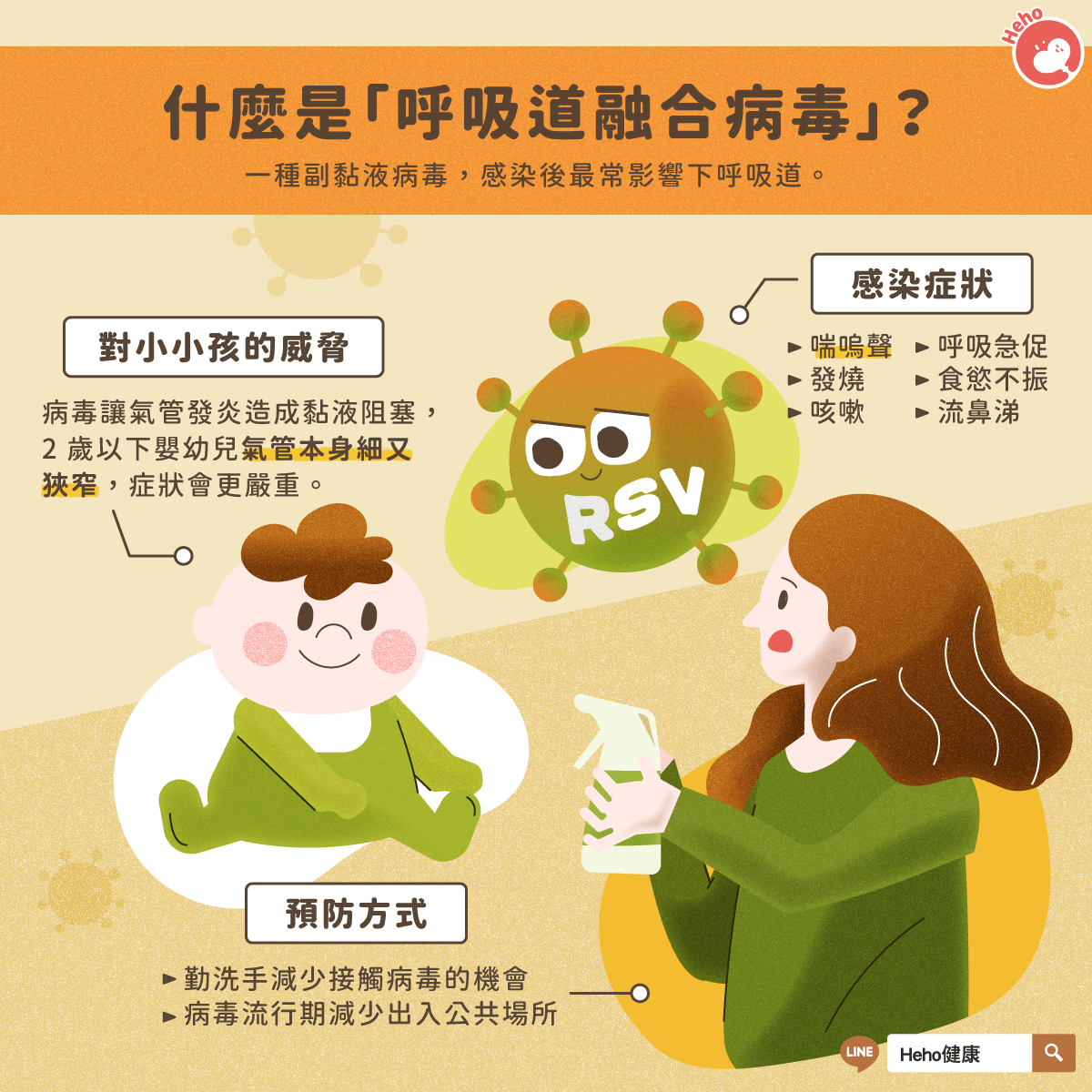
The fifth wave of the COVID-19 pandemic continues in Hong Kong, and with the onset of winter, the city has entered its flu season. Under the combined impact of these two, the health of the elderly and children is under strain. Apart from these, the Centre for Health Protection points out that Respiratory Syncytial Virus (RSV) infection, another type of respiratory virus, occurs year-round in Hong Kong. This infection is caused by a single-stranded RNA virus, and children under one year of age are a high-risk group.
Dr. Lam Ka-yi, a paediatrician, stated in an interview that Respiratory Syncytial Virus (RSV) is a single-stranded RNA virus. RSV infection can cause respiratory illnesses, such as tracheitis, pneumonia, and otitis media. In Hong Kong, RSV infections occur year-round, with the peak season being from March to August. This virus is the most common cause of bronchiolitis and pneumonia in infants under one year old. Premature infants, and children with congenital respiratory diseases or heart conditions, are more likely to develop complications or severe infections.

Lin Jiayi pointed out that recent outbreaks have raised public awareness of personal hygiene. While this has helped reduce the risk of virus transmission, the RSV virus will not disappear as a result. Furthermore, there is currently no vaccine to prevent respiratory syncytial virus infection, so parents cannot afford to be complacent.
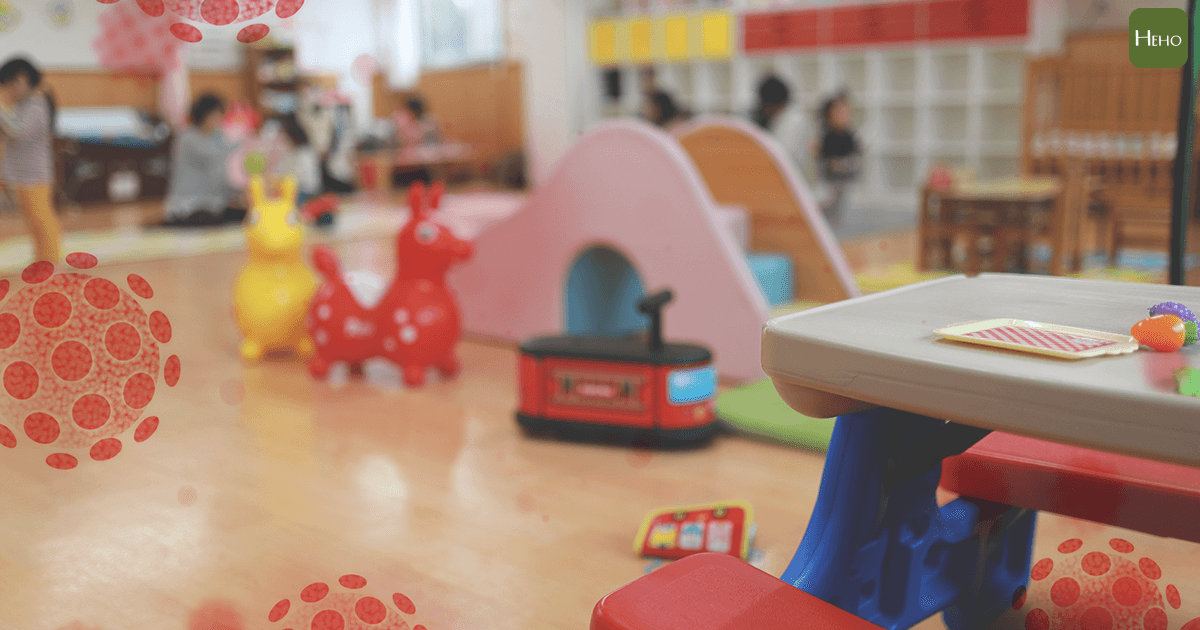
Regarding prevention, Dr. Lam Ka-yi suggests that citizens should maintain personal and environmental hygiene. As this virus can be transmitted through direct contact with a patient's secretions and droplets, or indirectly through contaminated hands, eating utensils, or contact with objects that have recently come into contact with a patient's nasal or throat secretions. Even if the home is frequently cleaned and disinfected, children and family members will still go out, such as to school or work, and still have the chance of being infected through contact. Infected patients will develop a fever and other symptoms, such as a runny nose, cough, headache, loss of appetite, body aches or weakness, and may even develop otitis media. Young children are at higher risk and may develop bronchitis or even asthma symptoms. However, most patients have mild symptoms and recover within approximately 1 to 2 weeks. Nevertheless, she has encountered some severe RSV infection cases that required intensive care and the use of ventilators for respiratory support. Fortunately, after treatment, the children were discharged without any sequelae. Therefore, early and appropriate treatment is very important.
(Special correspondent Chen Hui Fang reports for Dot News)
Link https://www.dotdotnews.com/s/202212/22/AP63a41dade4b0adad9d72b4ad.html