Children's health Health informationBy Dara on 20 Dec 2022Deputy Managing Editor
If an infant or young child is foundA persistent high fevercough frequently, even experiencing shortness of breath. Many parents will panic. Don't worry too much, your child may not be diagnosed.COVID-19but may have contracted "Respiratory Syncytial Virus" (RSV), which is highly contagious and its symptoms are similar toFluIt's a bit similar, but it can cause otitis media, bronchitis, and pneumonia, so it shouldn't be taken lightly.
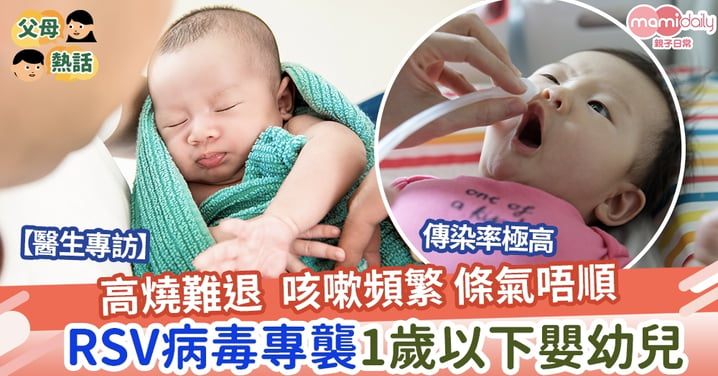
 RSV virus exclusively attacks infants and young children
Babies under one year old are most affected.
Parents are no longer unfamiliar with "Respiratory Syncytial Virus" (RSV) in recent years. This is a single-stranded RNA virus, with initial symptoms similar to influenza, often causing confusion. Patients with RSV typically develop a high fever (39 degrees Celsius or above). Unlike influenza, the virus affects the trachea more significantly, leading to frequent coughing. Paediatric specialist Dr. Lam Ka-yi points out that after contracting the RSV virus, complications such as bronchitis and pneumonia can arise. As infants under one year old are most affected, parents must remain vigilant.
Dr Lam pointed out that in Hong Kong, the RSV virus occurs all year round, with the peak period being from March to August. "This virus is the most common cause of bronchiolitis and pneumonia in infants under one year of age. Premature infants and children with congenital respiratory or heart disease are more likely to develop complications or severe infections."
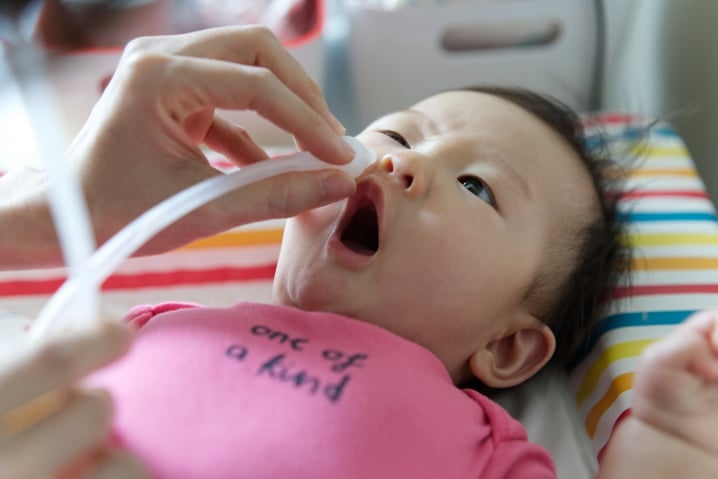 RSV is the most common cause of bronchiolitis and pneumonia in infants. Photo from MamiDaily
Seek immediate medical attention if you experience asthma symptoms.
If infected with the RSV virus, what are the symptoms? How should parents handle it? Dr. Lam said: "Patients will have a fever and other symptoms, such as a runny nose, cough, headache, loss of appetite, body aches or weakness, and occasional middle ear infections. Younger children are at higher risk of developing bronchitis and may experience wheezing. This infection usually resolves within about 1 to 2 weeks. Most patients have mild symptoms and can be relieved with supportive therapy; if more severe symptoms, such as wheezing, appear, seek medical attention immediately."
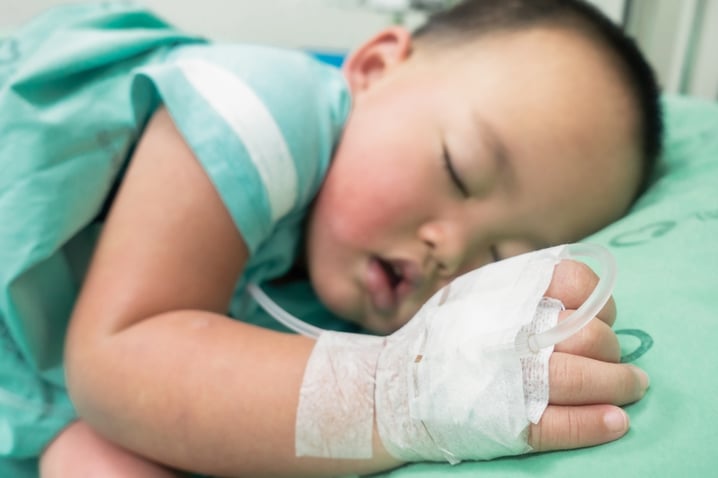
Dr. Lam has encountered some severe RSV infection cases that required intensive care and mechanical ventilation. Fortunately, after treatment, the children were discharged without any sequelae. Therefore, early and appropriate treatment is very important.
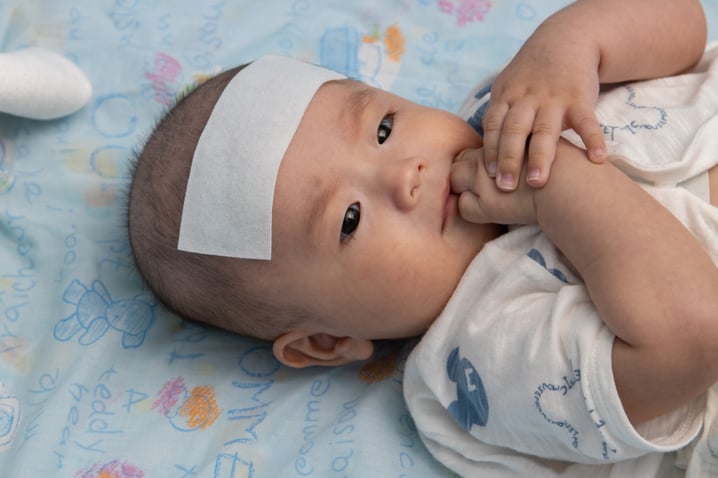 The patient presented with symptoms such as fever, runny nose, and cough. Photo from MamiDaily
RSV virus Q&A
Editor
Paediatrician Dr Lam Ka-yi
With the pandemic having influenced public awareness of personal hygiene in recent years, will RSV disappear?
The public's increased awareness of personal hygiene and mask-wearing has indeed helped reduce transmission risks. However, the RSV virus will not disappear because of this, so parents cannot let their guard down.AdvertisementAdvertisement
Q: I've heard that some parents keep their homes very clean and disinfected, but their children still get infected. Why is that? What are the transmission routes for RSV? Where can it attach?
This virus can be transmitted through direct contact with a patient's bodily fluids or droplets, or indirectly through contaminated hands, utensils, or objects that have come into contact with the patient's nasal or throat secretions. Even though households are frequently cleaned and disinfected, children and family members still go out, such as to school, meaning there is still a chance of RSV infection through contact.
A:RSV有疫苗嗎?
There is currently no vaccine to prevent respiratory syncytial virus infection.
How can parents prevent their children from getting infected?
Maintain good personal hygiene and wash your hands frequently, especially before touching your mouth, nose, or eyes. Wear a surgical mask if you have respiratory infection symptoms. Eat a balanced diet, exercise regularly and get enough rest. Patients should avoid contact with children, the elderly or people with weakened immune systems. In addition, maintain good environmental hygiene, regularly cleaning and disinfecting frequently touched surfaces such as furniture, toys and shared objects with household bleach diluted 1:99. Reduce the use of public play facilities during peak periods.
 Dr. Lam Ka-yi, Paediatric Specialist
The article copyright belongs to MamiDaily Parent-Child Daily, read the full article: https://mamidaily.com/article/186770/兒科-醫生-病毒-兒童疾病-發燒?utm_campaign=MDHK-Web-CopyContent&utm_source=MDHK&utm_medium=Web-CopyContent